I create brand narratives by living them — shaping new ideas through direct experience, by developing original concepts that become stories people want to follow.
Some collaborations don’t begin with a brief. They begin with trust, curiosity, and a quiet invitation to explore.
Creative representation is not about visibility. It’s about presence. It’s what happens when a brand allows someone to live with its product long enough to discover something new — and then share that discovery through story, experience, and aesthetic care.
This kind of work isn’t about influence in the traditional sense. It’s about inhabiting a concept so fully that it becomes visible to others — not through promotion, but through resonance.
Below is one example of what that can look like when it’s lived, not staged.
#RedIsTheNewGreen:
A Case Study
In 2014, I was hired as Global Promotion Manager for Dennerle, a German brand specializing in aquatic plants and premium aquarium equipment. became the public voice of the brand, combining communication, community engagement, content creation, and social customer care across multiple markets. As part of a true advocacy role, I set up a private showroom in my basement — a space where local aquarists and shop owners could come see the planted tanks in person, experience the setups, and ask questions directly.
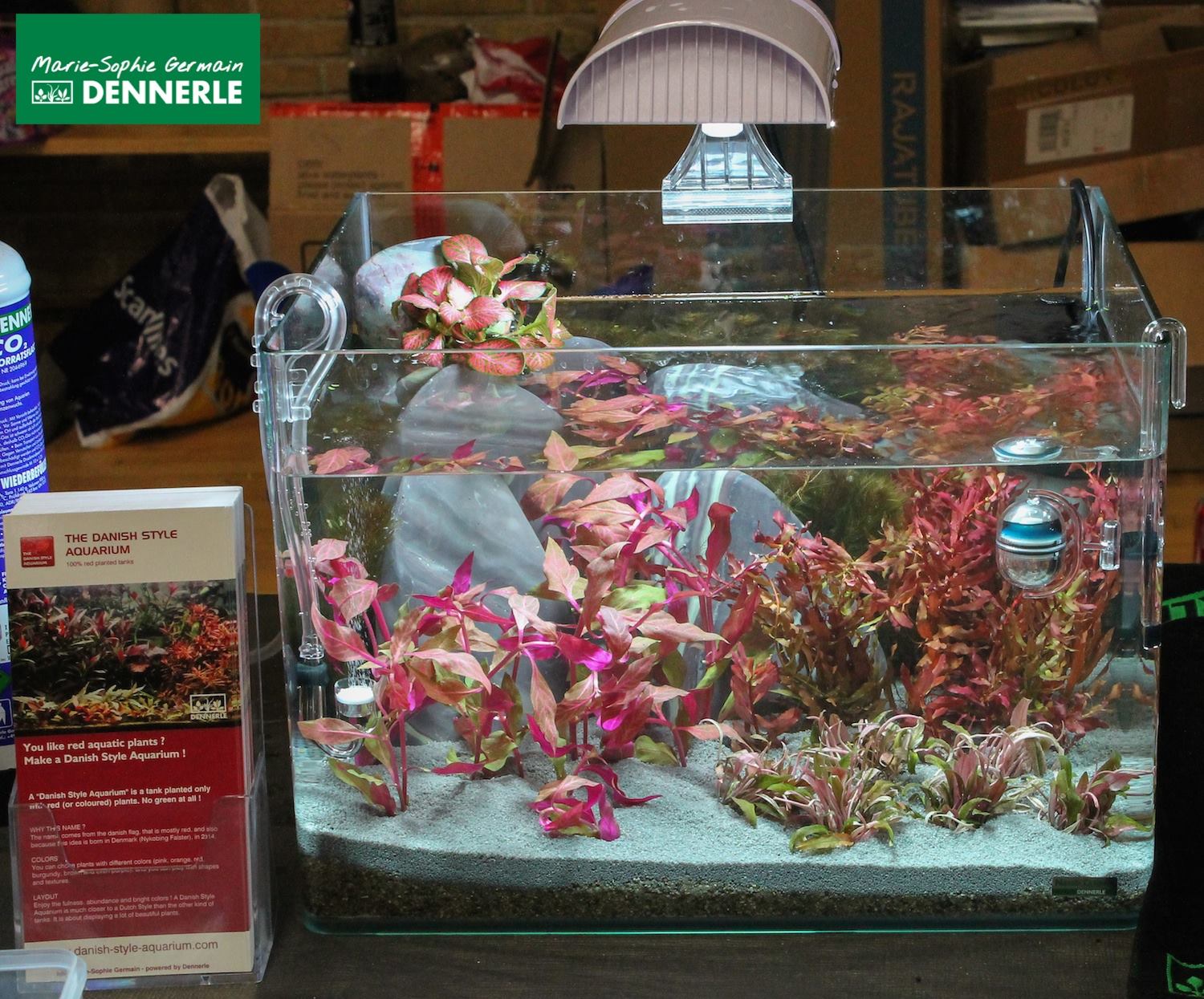
One day I decided to use plants that were not green but red, pink or orange — a deep, layered composition in warm tones. The result was surprising: delicate and bold, familiar and unfamiliar. This wasn’t a variation on the traditional Dutch style of aquascaping (high maintenance tanks containing only plants). It felt like something else.
I named it the Danish Style Aquarium — partly because I created it in Denmark, and partly because the Danish flag is mostly red. It was a minimalist tribute to contrast, discipline, and identity. And it stood out.
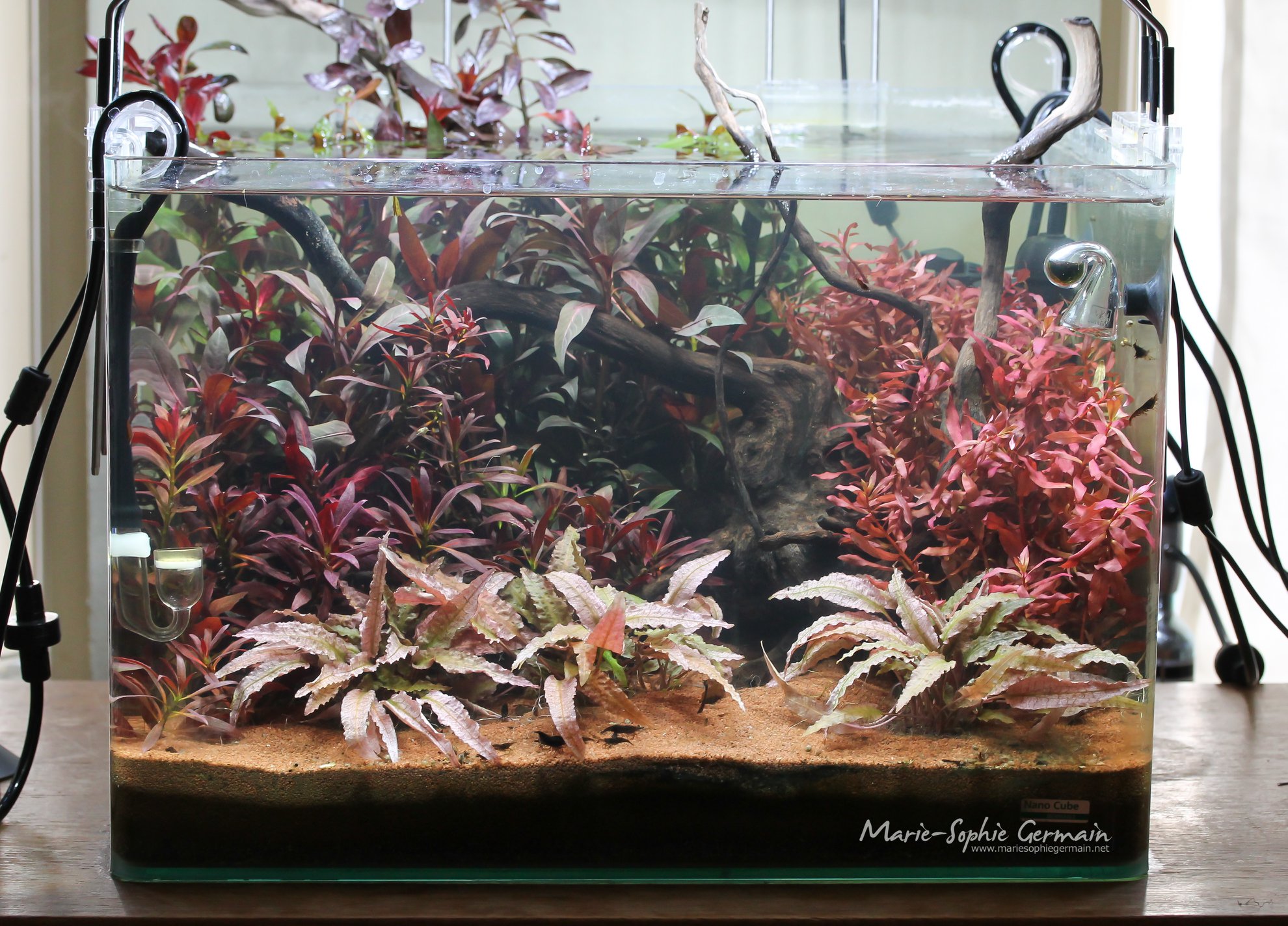
With Dennerle’s support, I began sharing the concept on a dedicated Facebook page as well as through the brand’s official channels — introducing it under the hashtag #RedIsTheNewGreen, and letting the idea take shape in public, one post at a time. I wasn’t just showing aquariums; I wanted to share an idea, to inspire others to try something different, to have fun experimenting with colour and contrast in a way that felt fresh and open.
I documented the tanks over time, showing how plant colors shifted under different light, how contrast could be composed like a painting, how red could be subtle or dominant depending on the balance of shades. I used only Dennerle products (plants, tanks, lighting, substrate, filters, fertilizers…), noted parameters, and wrote about the process in real time. I used my own words, my own images, and my own language. The result was personal — and therefore persuasive. Many other tanks followed.
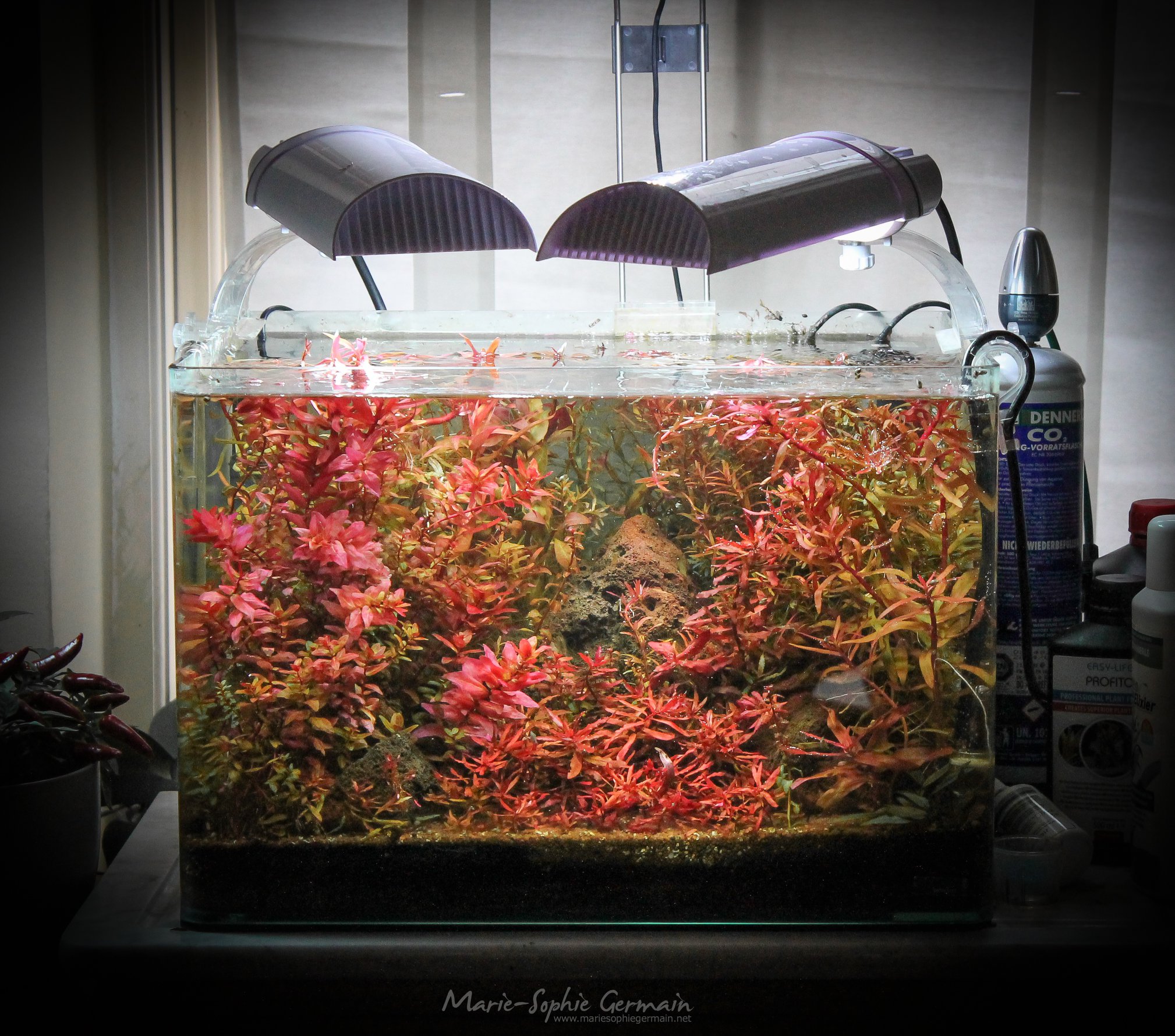
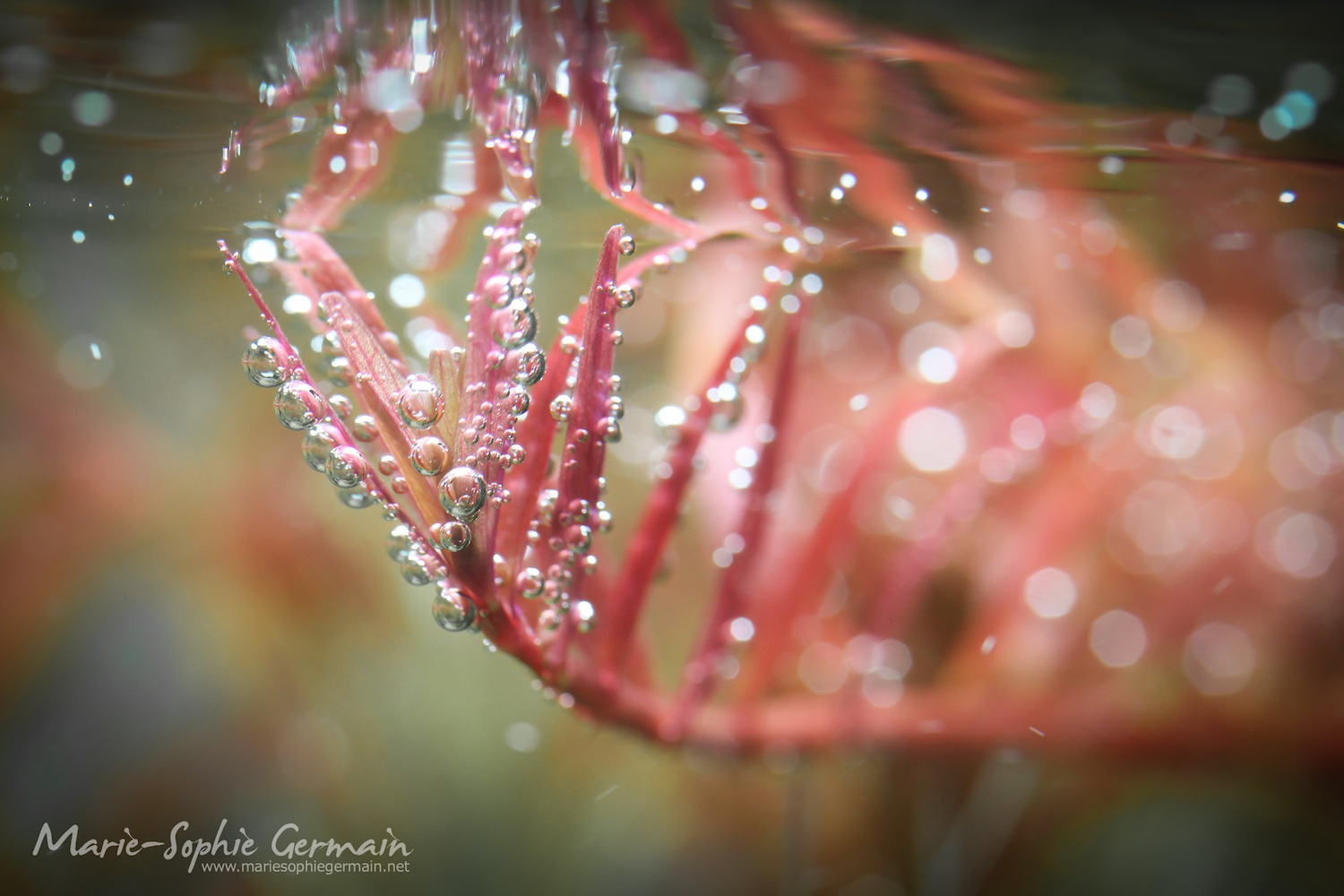
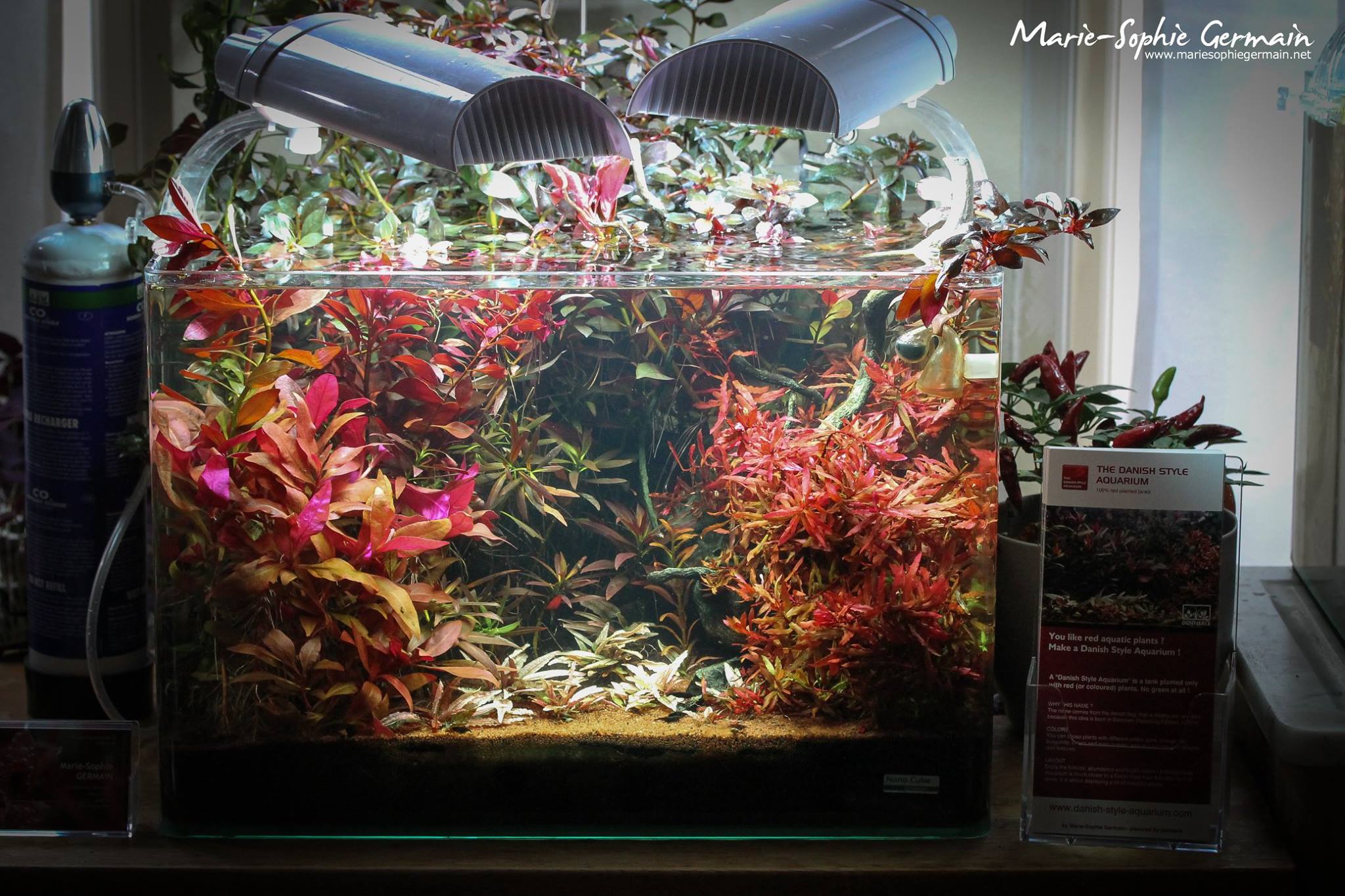
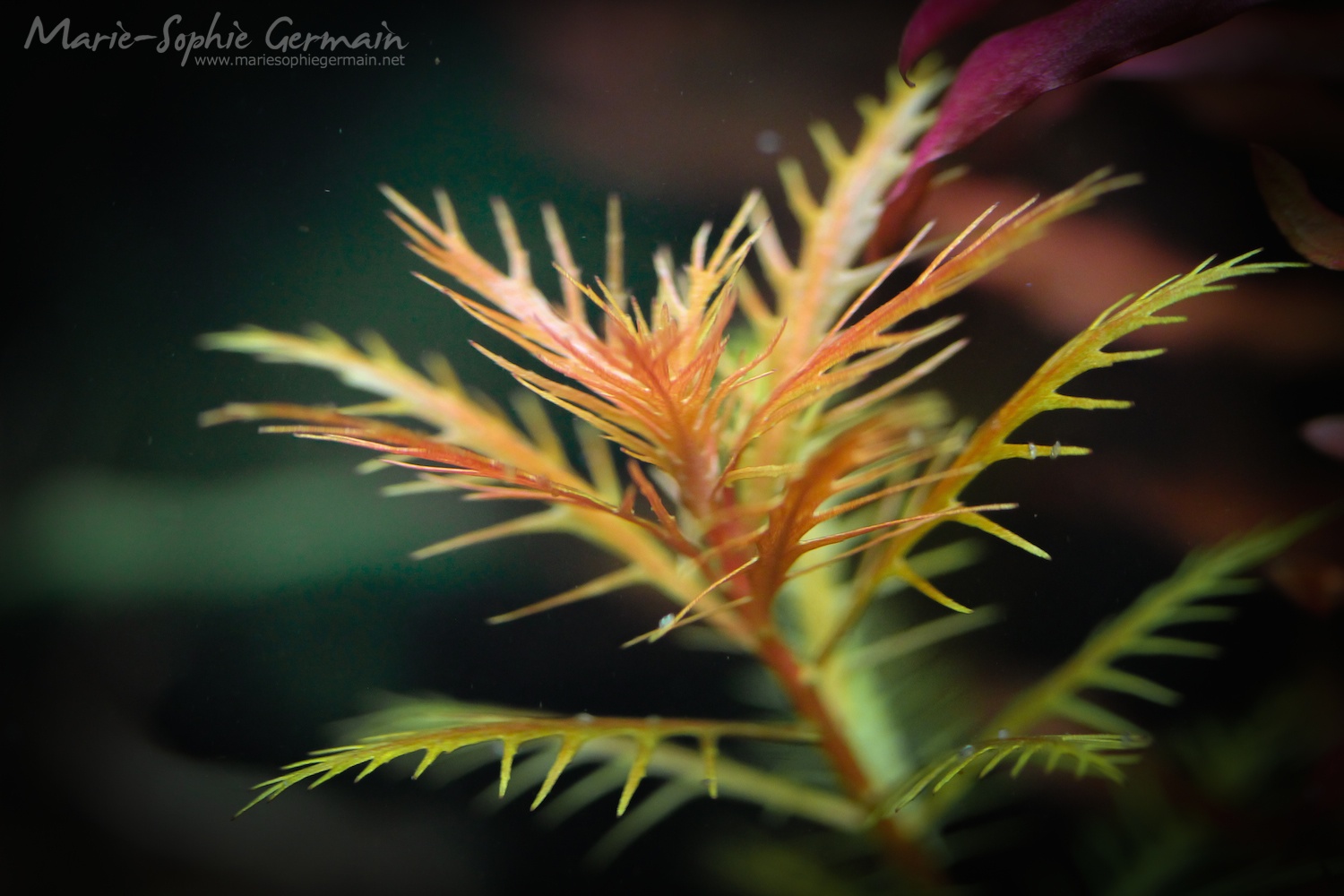
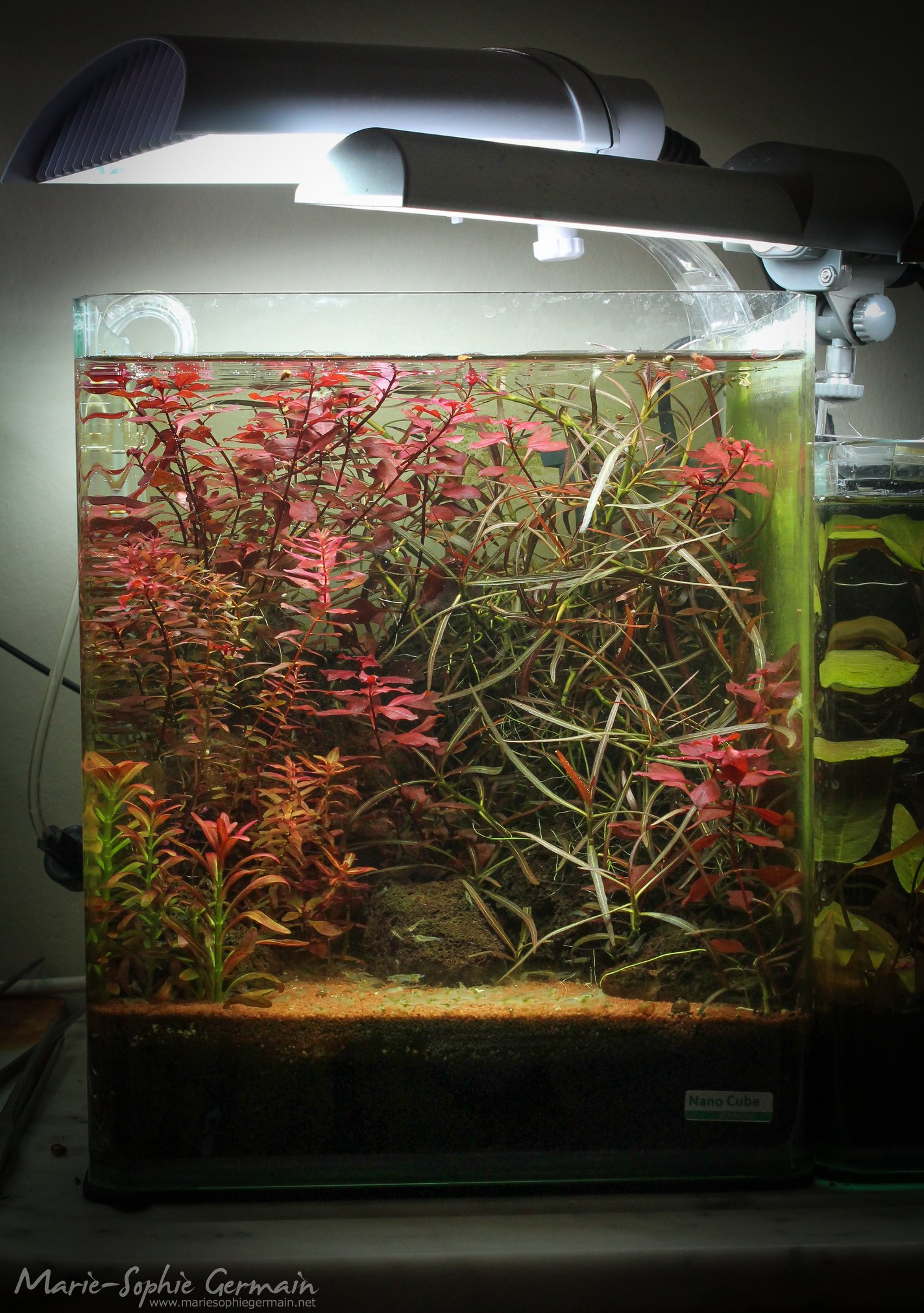
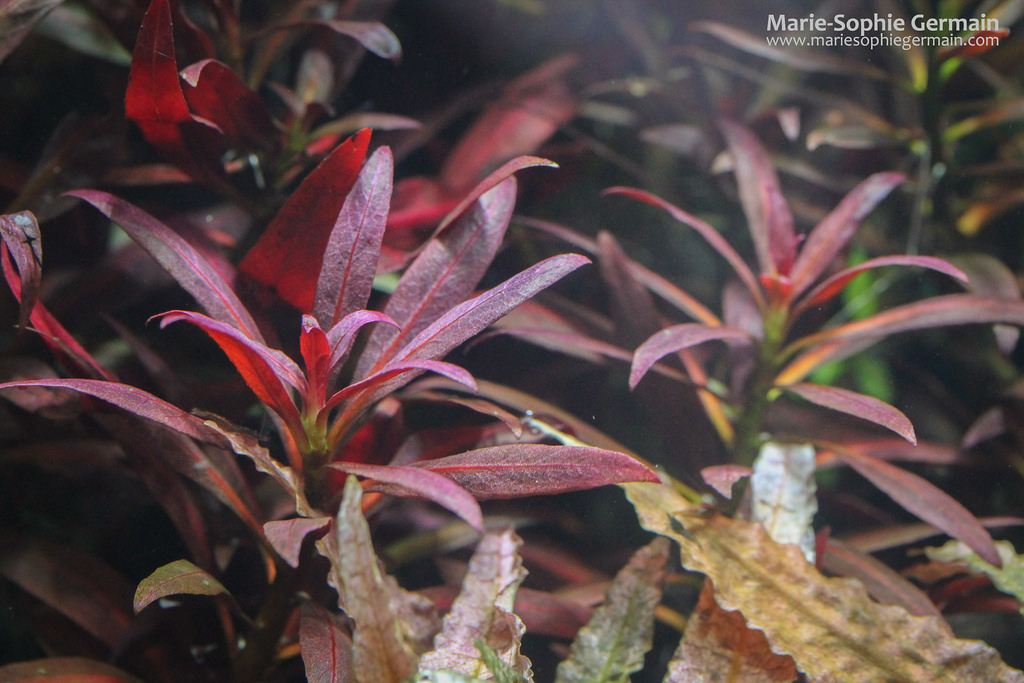
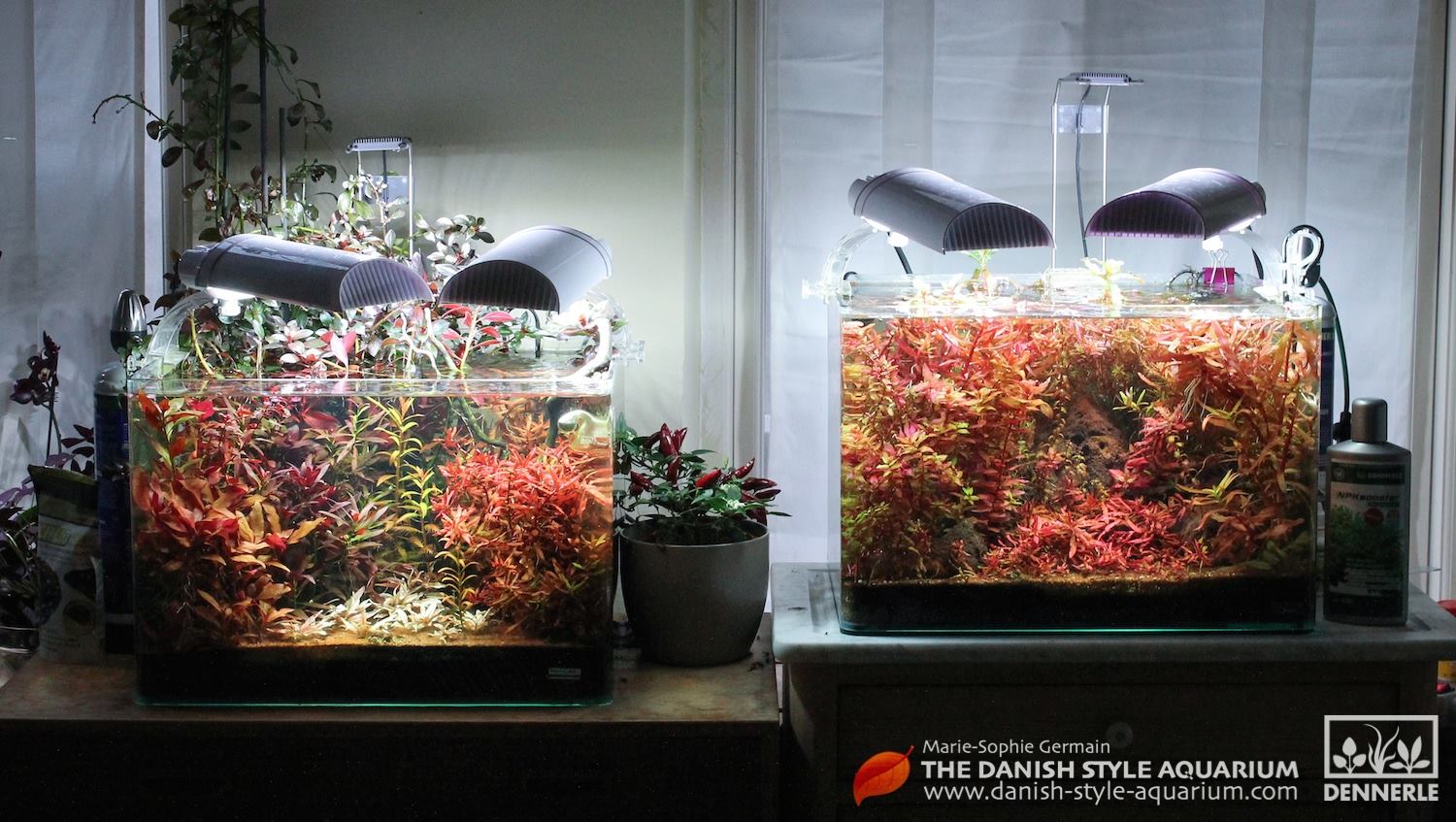
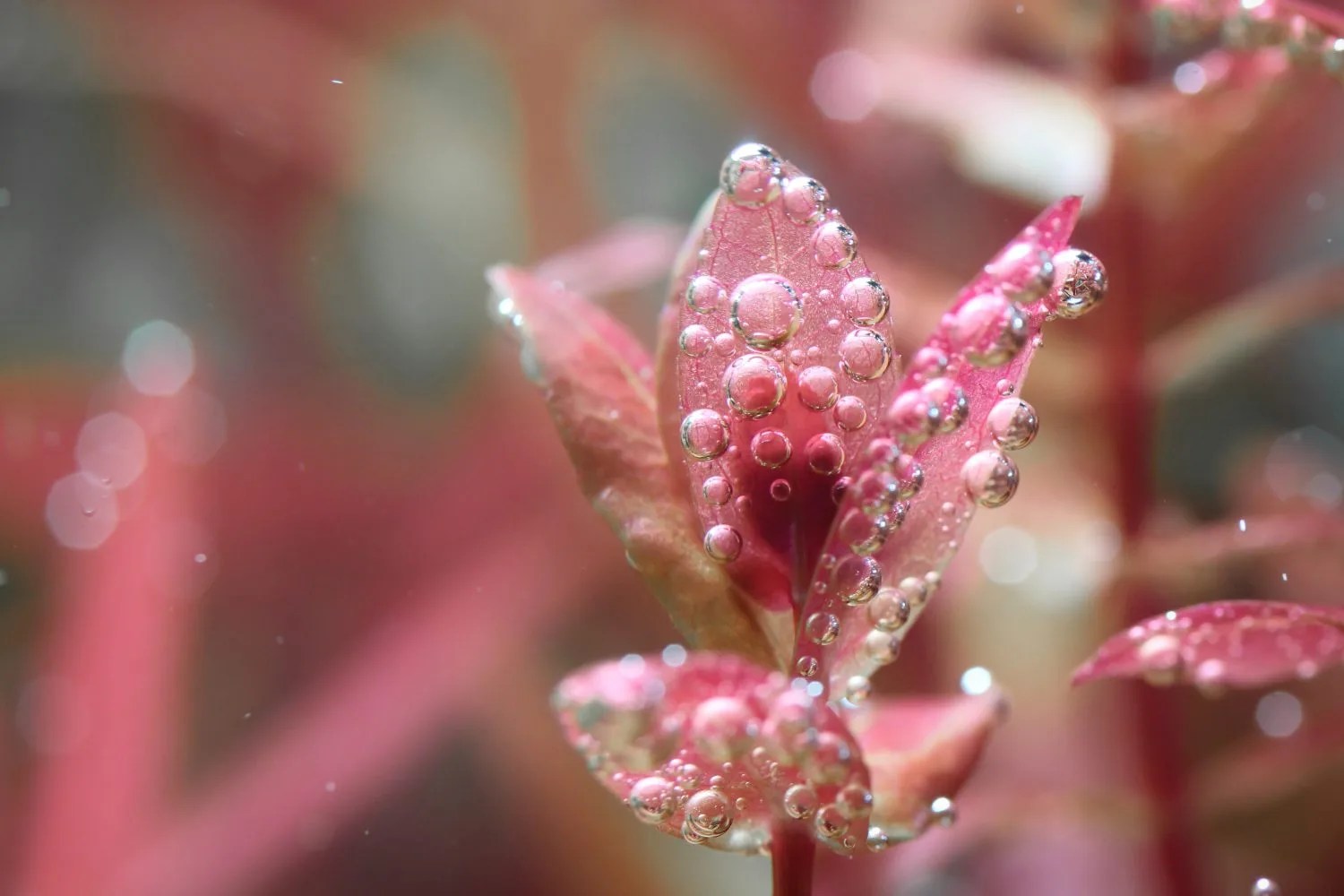
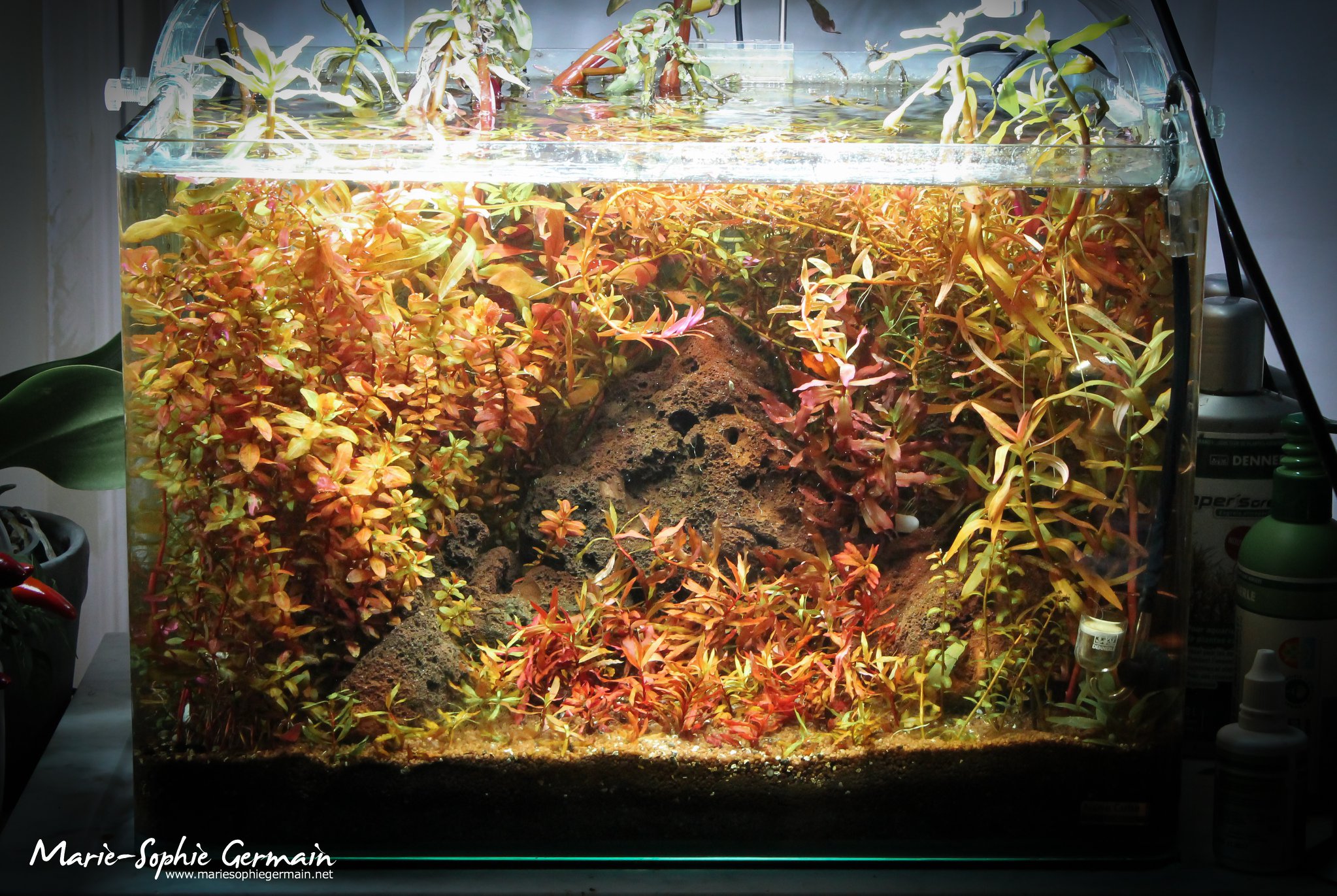
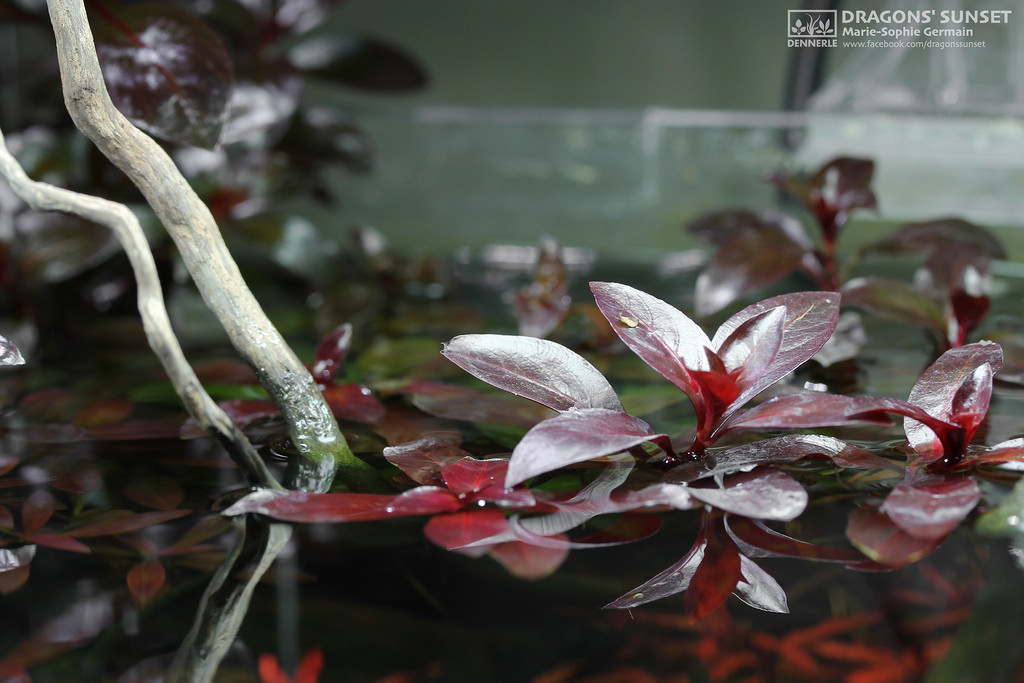
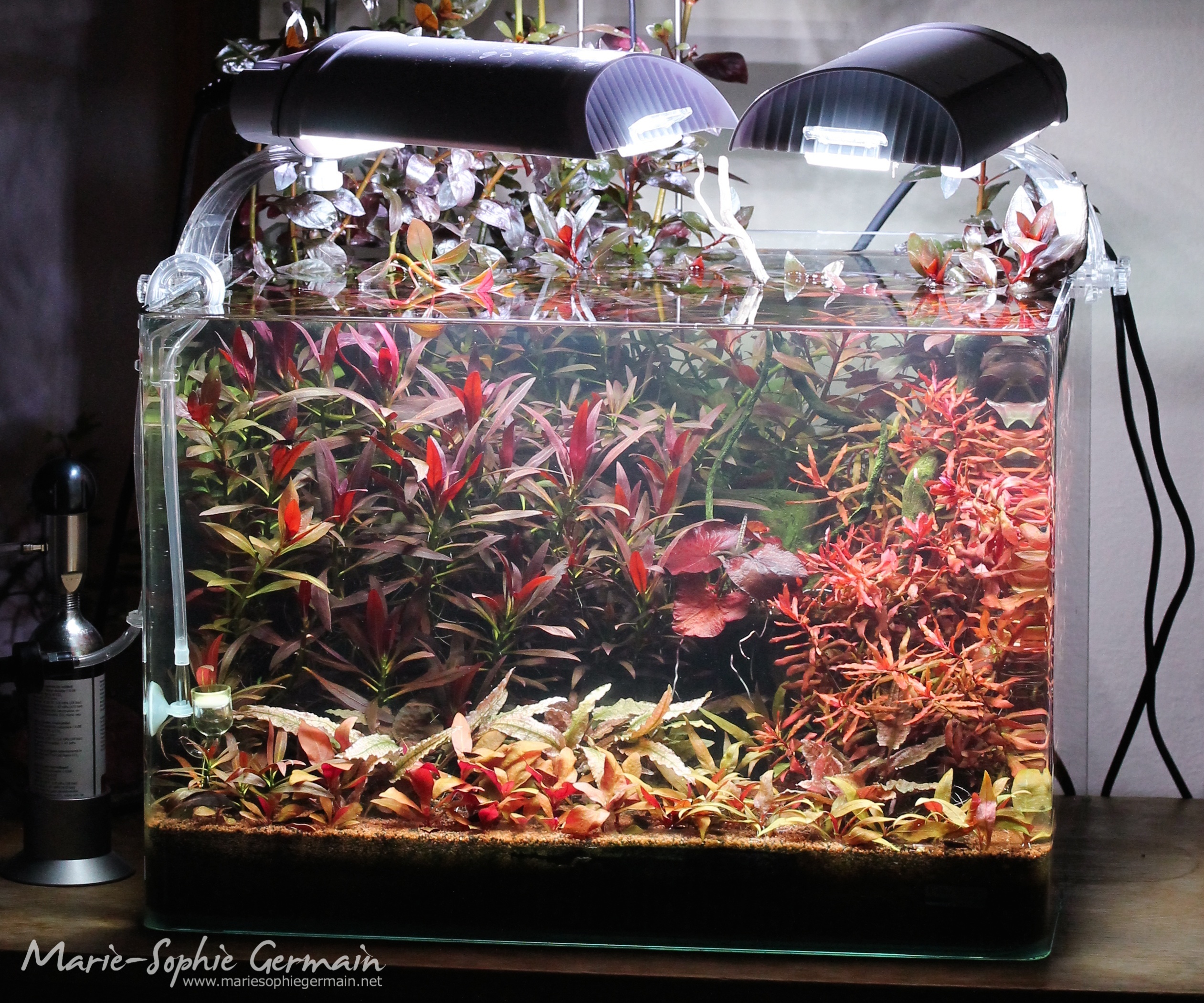
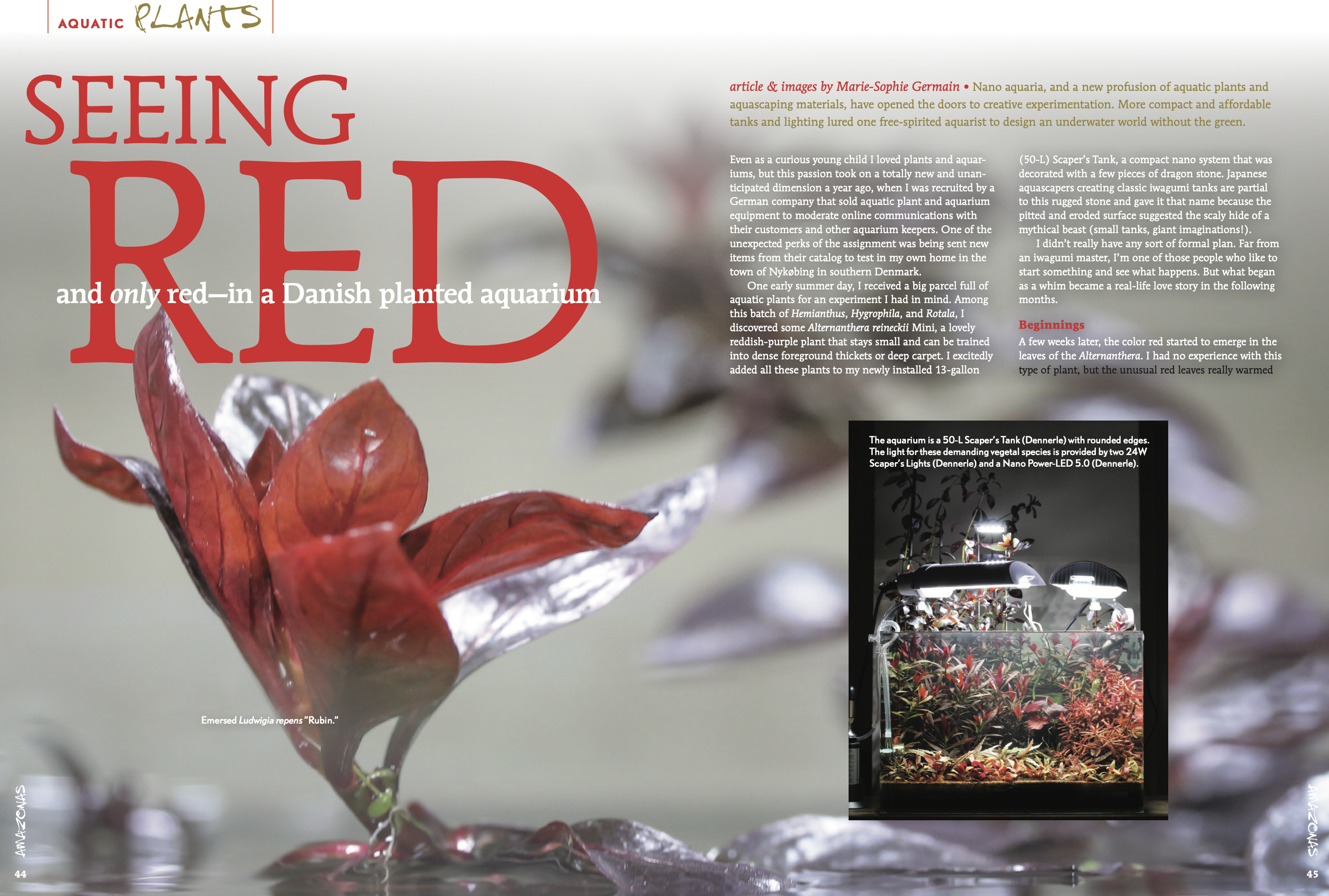
The response came quickly. A few aquascapers started to try red-only layouts. Online groups, pages, blogs and clubs picked it up. Then came articles, product guides, and full-feature spreads — including dedicated profiles a in the American magazine Amazonas, the French magazine L’Aquarium à la Maison, the German Dennerle Plant Guide and Aquarist Magazine.
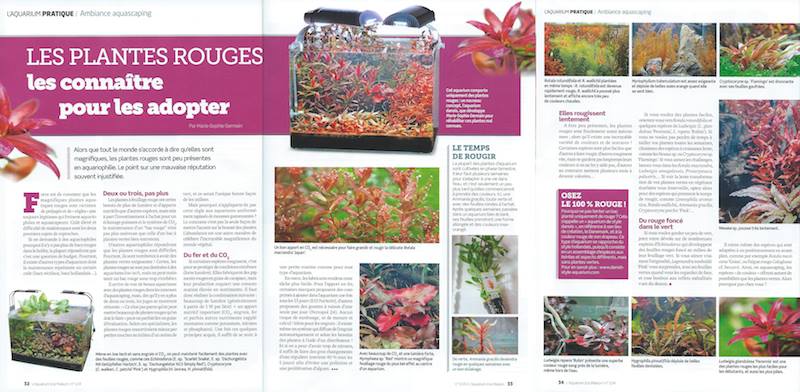
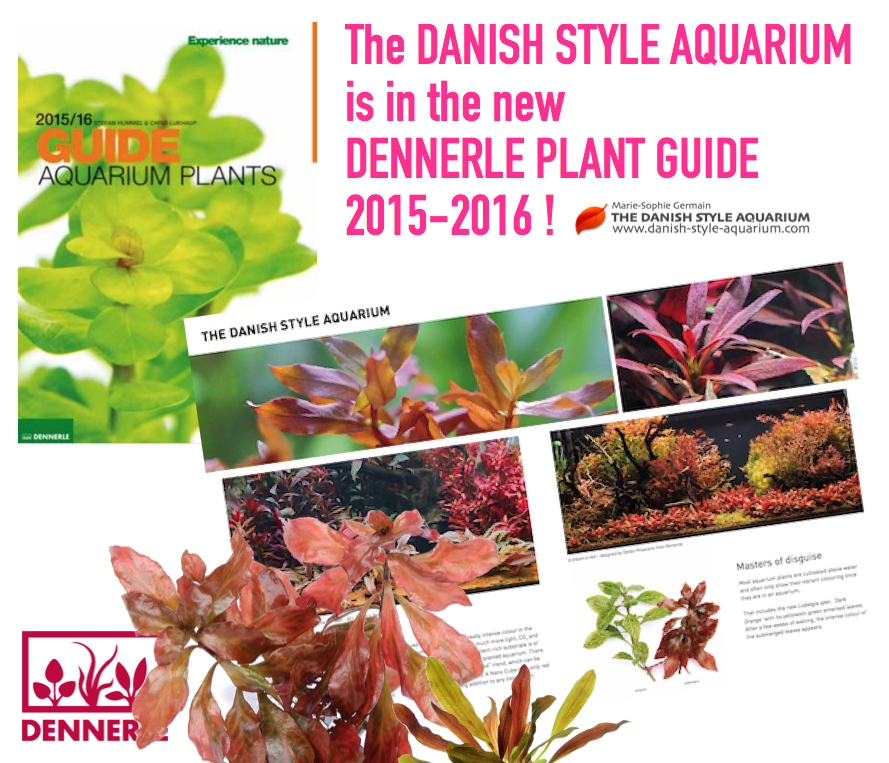
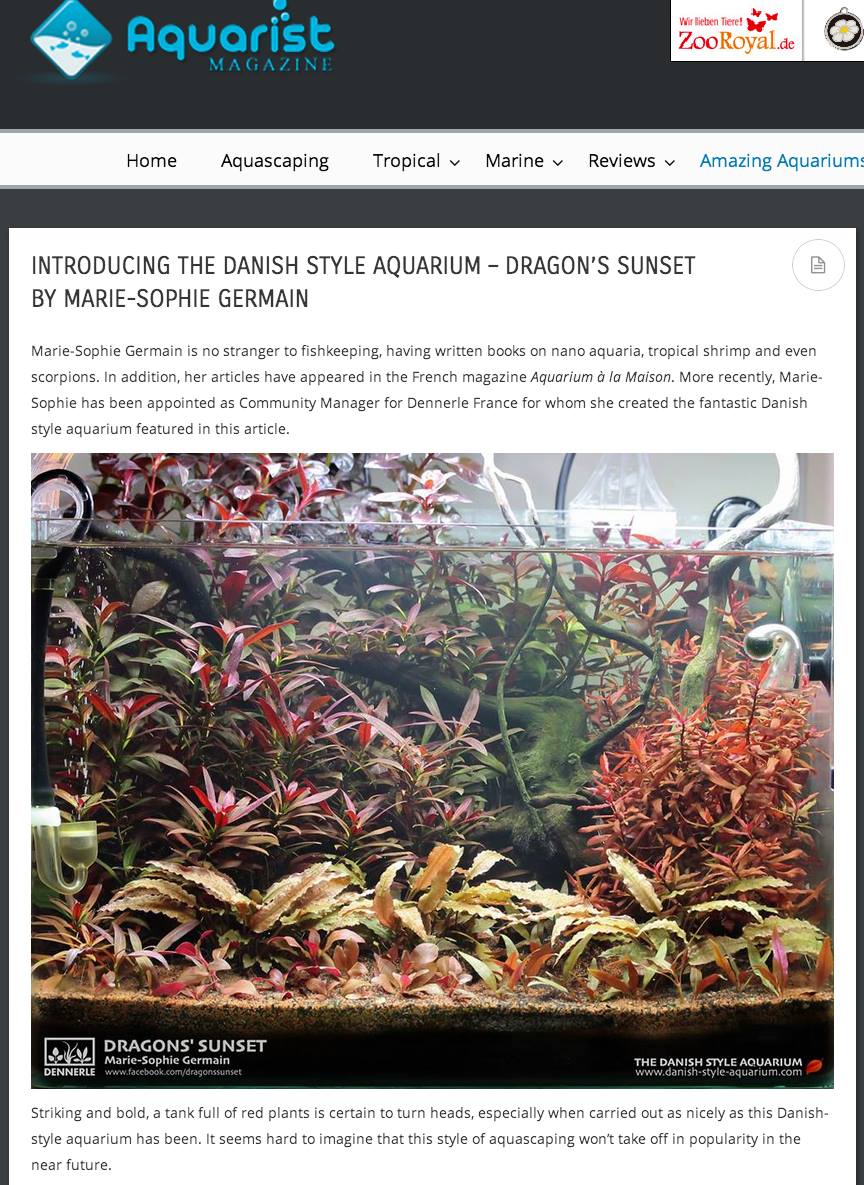
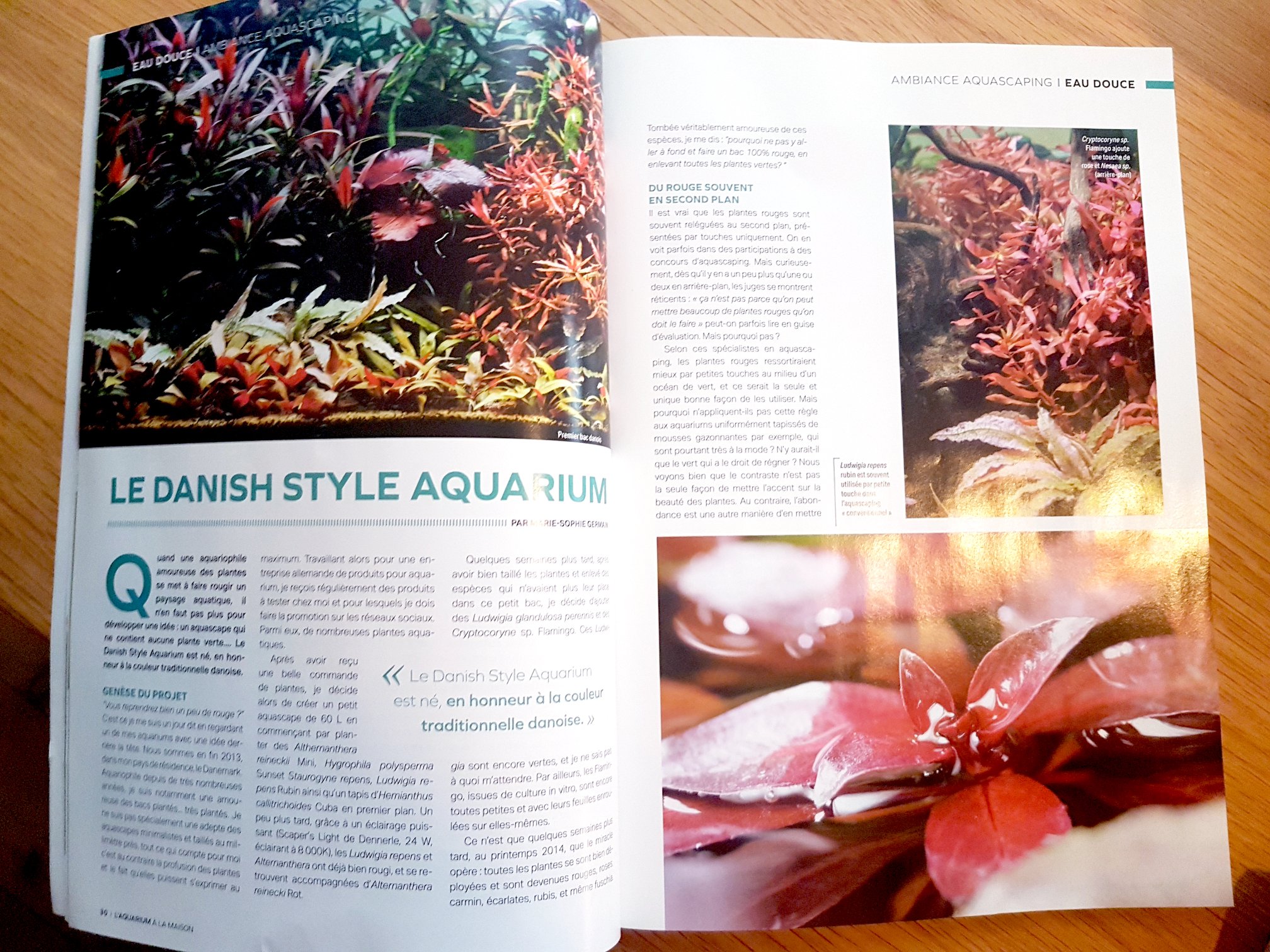
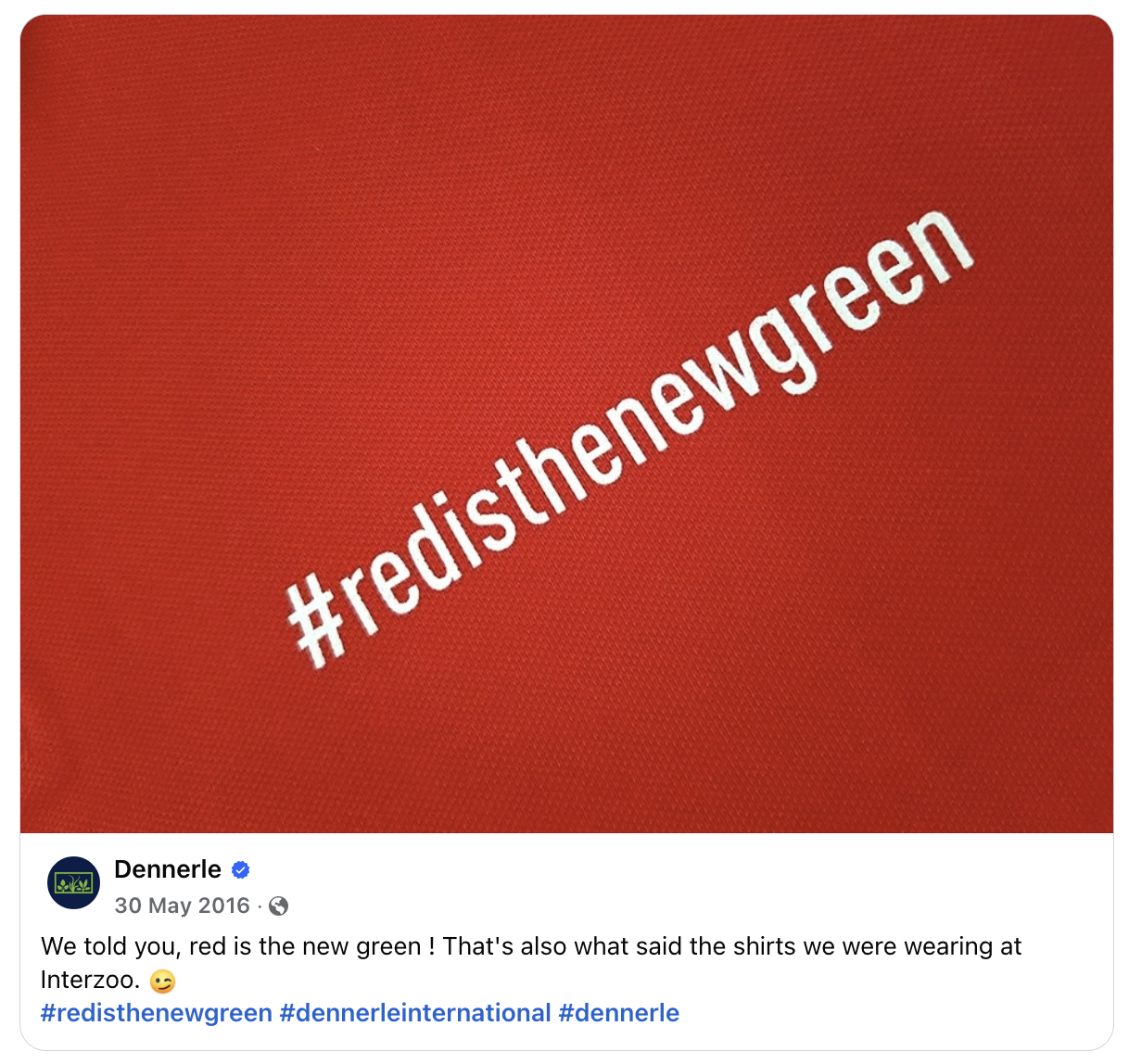
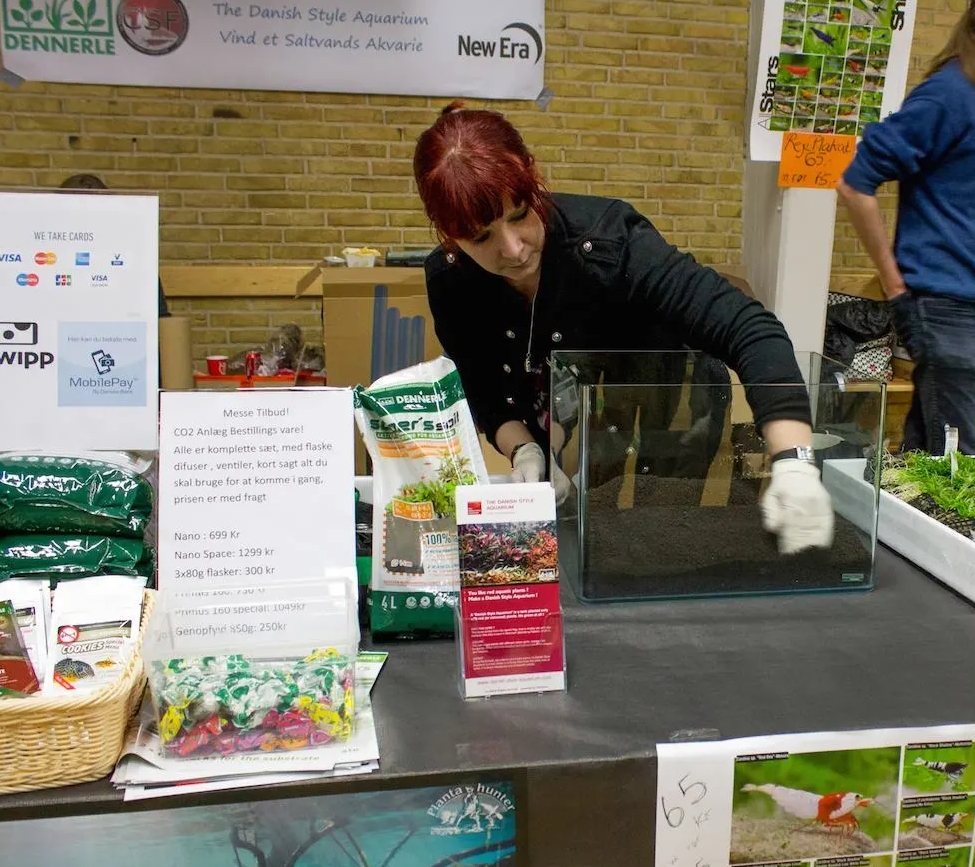
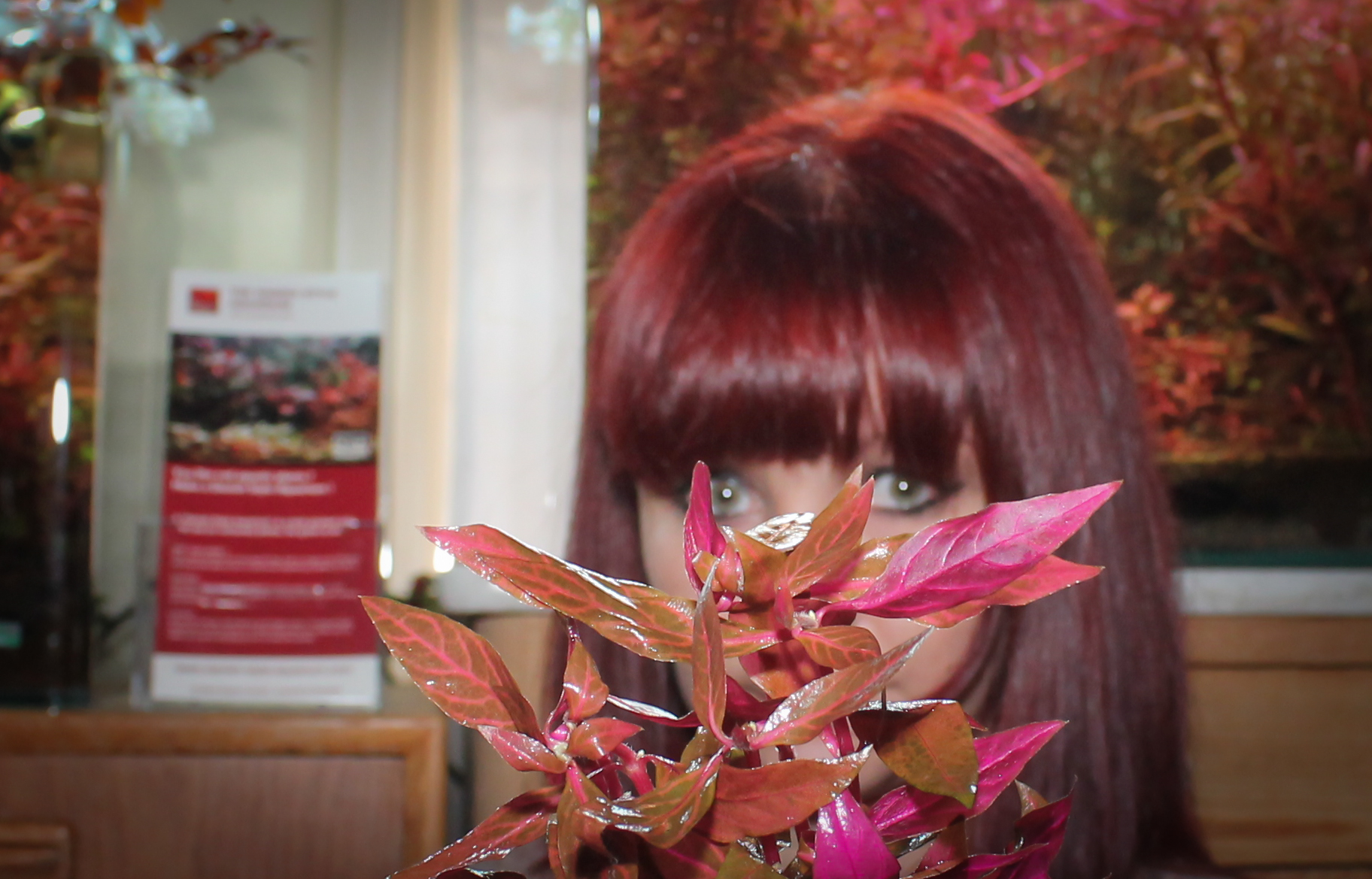
The Dennerle team embraced the concept publicly, with famous aquascapers and influencers wearing dedicated #RedIsTheNewGreen shirts at Interzoo 2016. I gave live aquascaping demonstrations at Danish aquarium fairs, hosted lectures and tank tours in my own home, and even dyed my hair to match the color palette — fully inhabiting the world I had imagined.
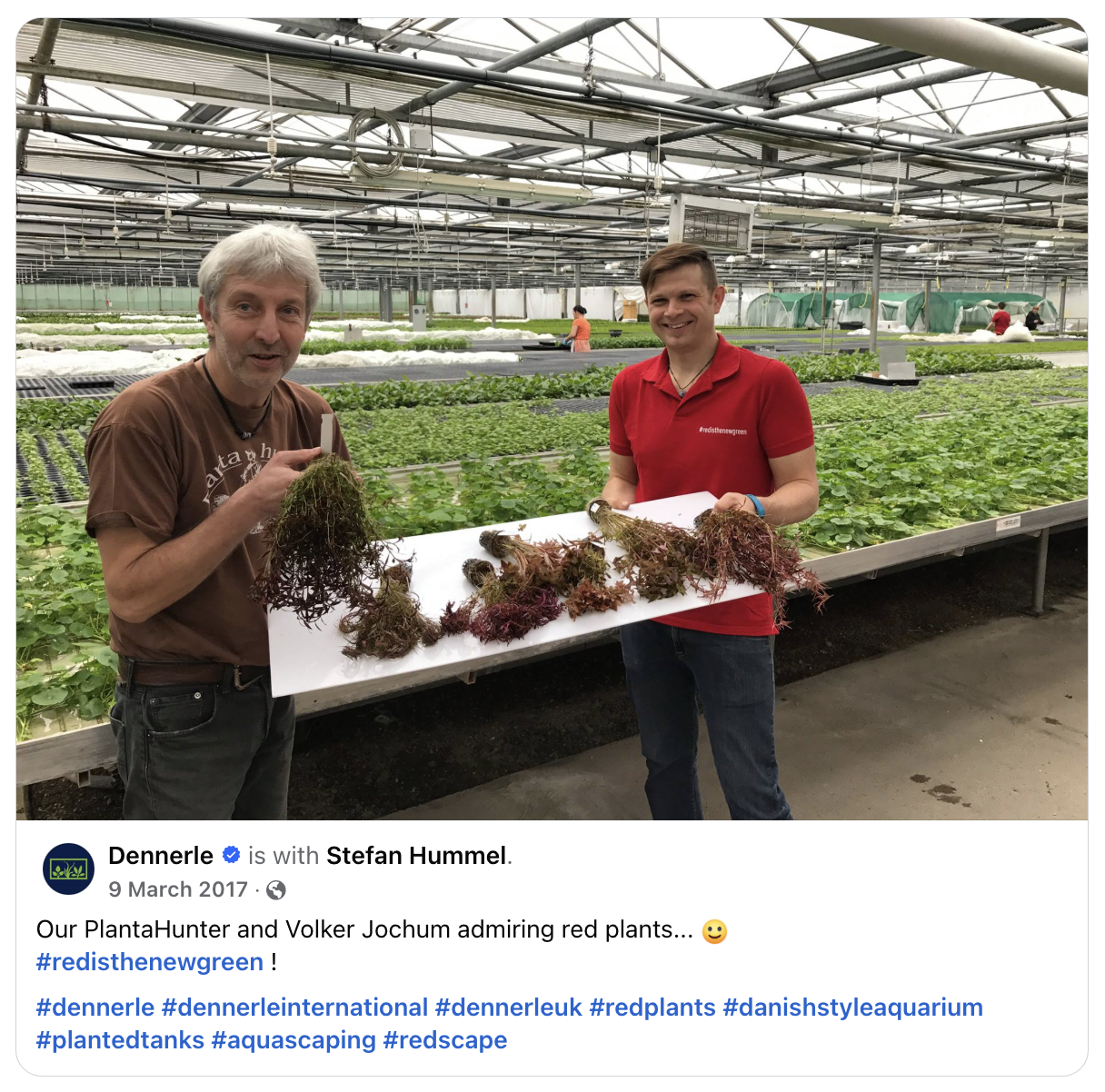

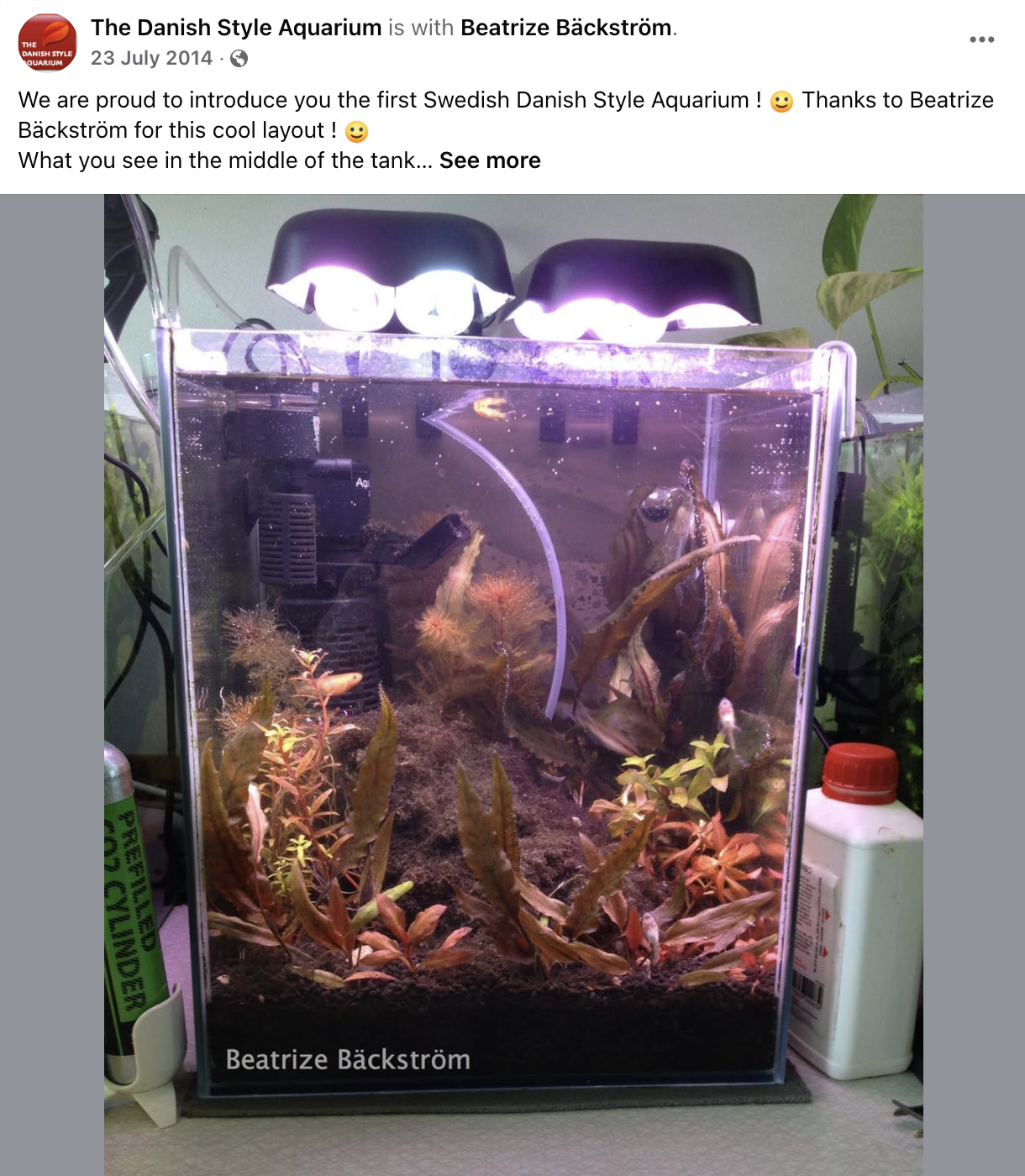
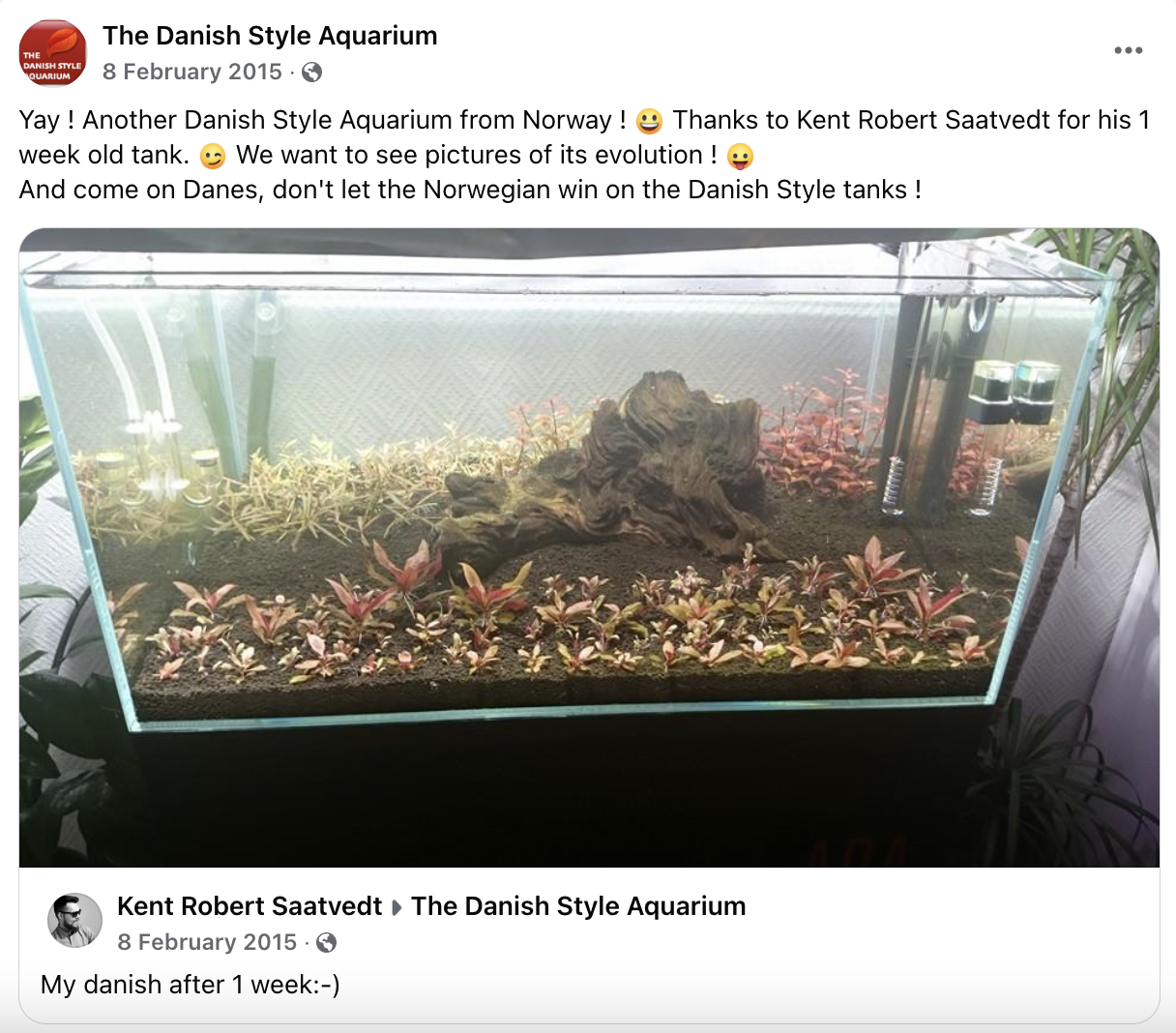
For several years, many people made Danish-style tanks in France, Germany, Norway, Sweden, Denmark, Switzerland, Romania, United States or even Bangladesh. They weren’t replicating the layout — they were participating in the idea, creating their own “red scape” in their own style.
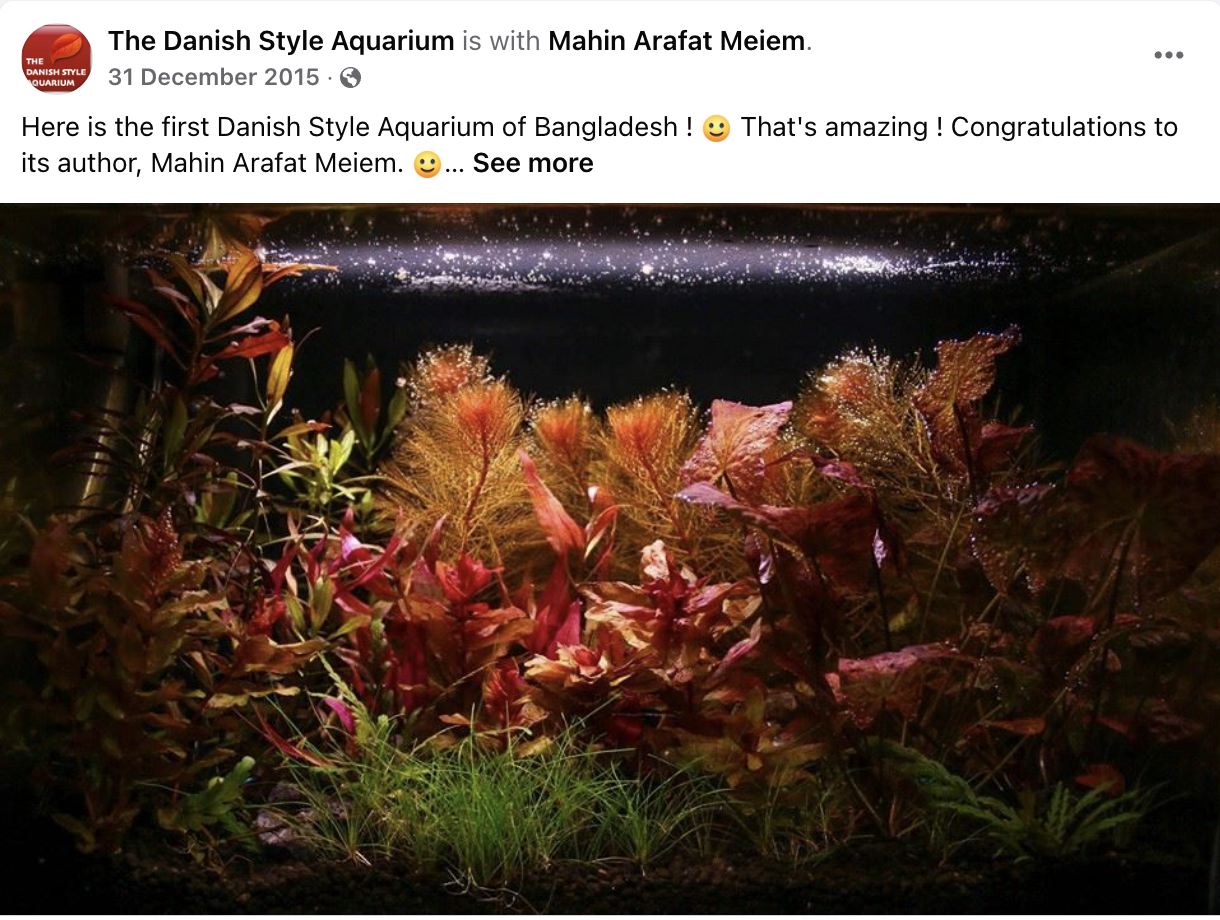
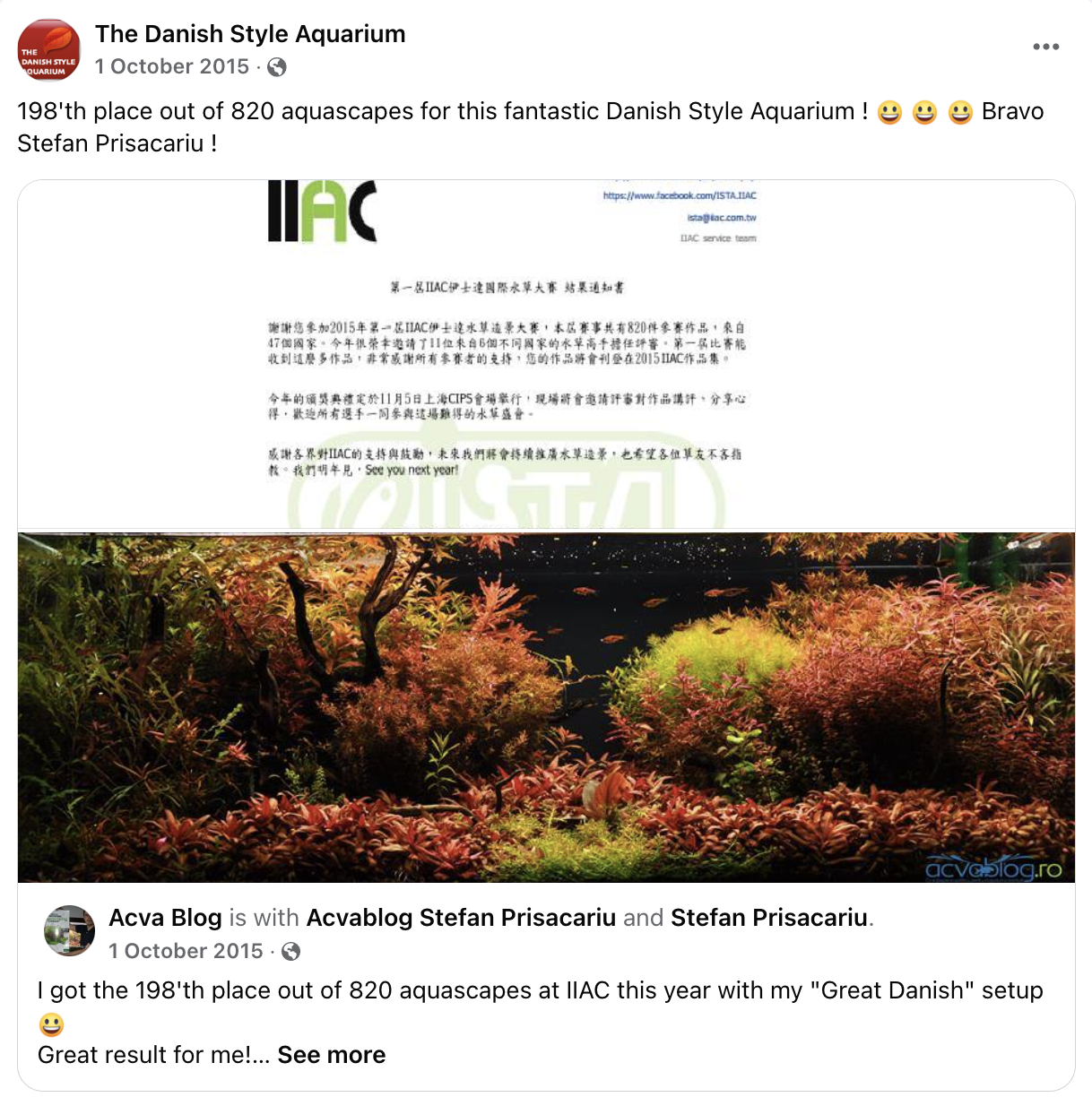
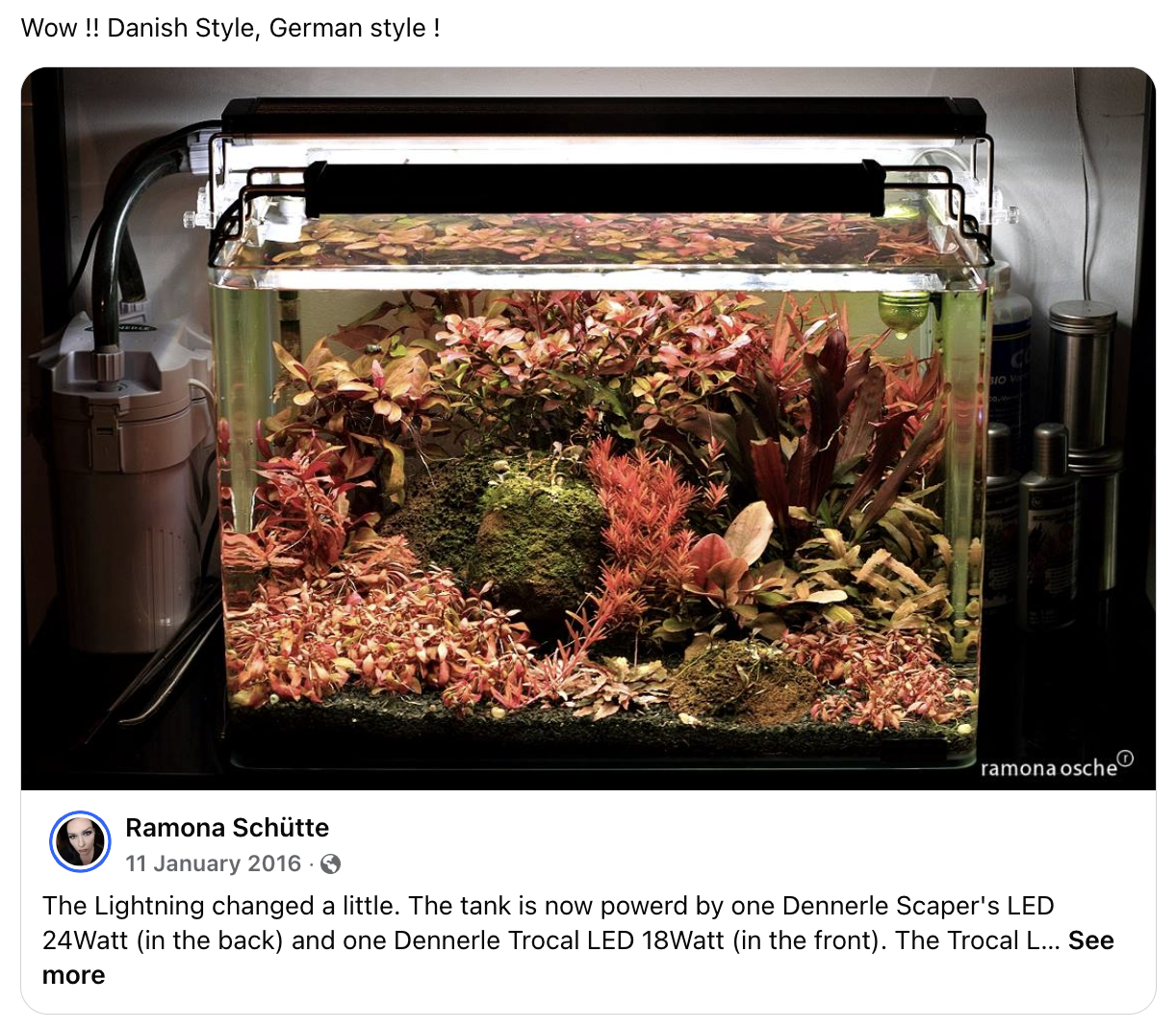
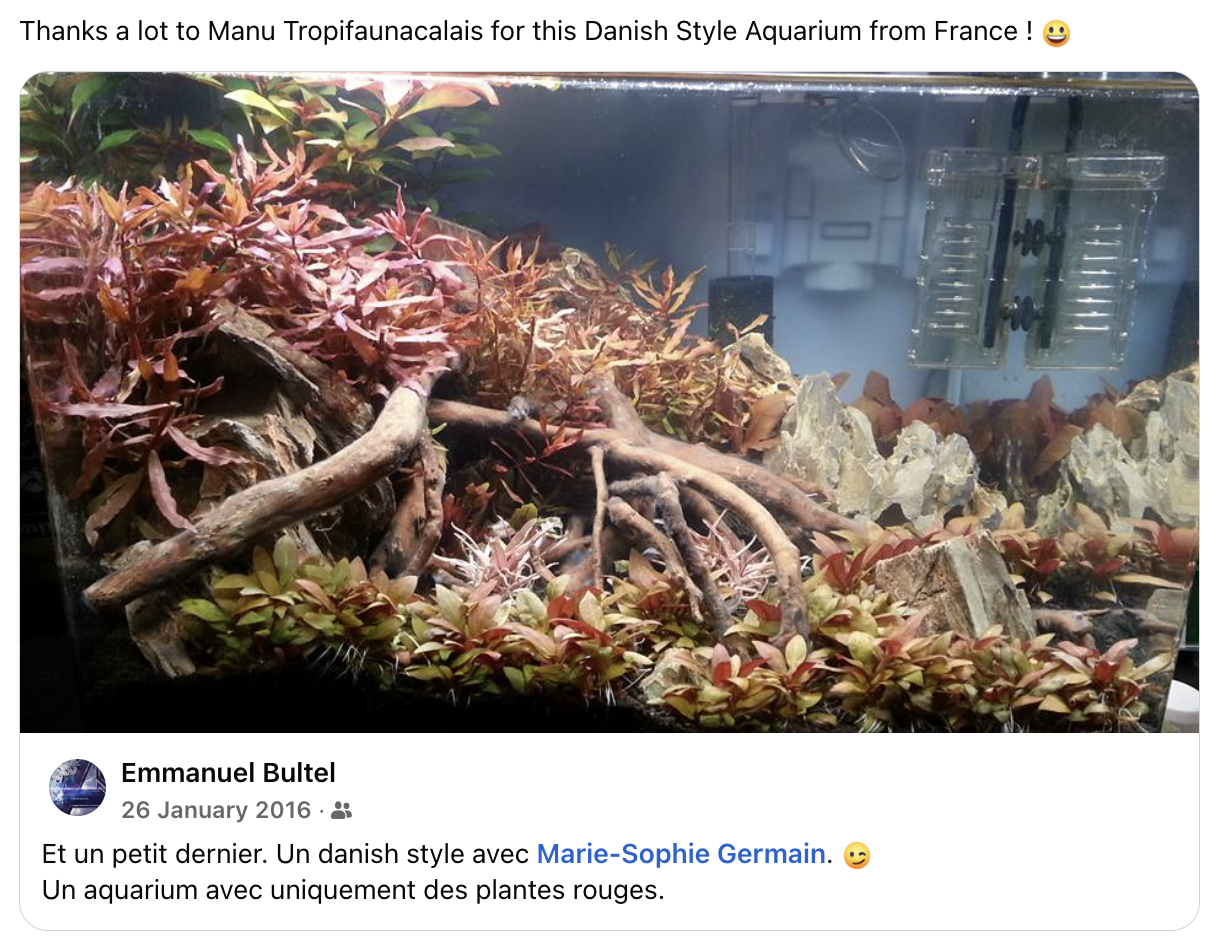
The success wasn’t just visual. It was conceptual. It offered a new lens on a familiar practice. I wasn’t promoting a product — I was inhabiting a narrative. Not creating content, but building presence. A quiet, personal way of shaping a brand story from the inside.
The End…
After I was unexpectedly let go during the company’s restructuring, I no longer represented them and was no longer sponsored. I chose not to continue the concept independently, not because I lost interest, but because the idea — and the hashtag — had become closely tied to the Dennerle brand. Continuing to promote the concept on my own, at my own expense, could have created confusion or even conflict: I didn’t want to appear to represent a brand that had formally ended the collaboration. Out of respect for the professional relationship — and for myself — I stepped back. But from the first idea in 2014 to the last press feature in 2020, I remain proud of what it was, how it was received, and how I brought it to life — by living it fully, not just imagining it. Red is the New Green!
What I Can Do for You
🌿 Embodied Concept Creation
- Developing aesthetic or narrative concepts through long-term personal engagement
- Creating living spaces or content that explore your product without performing it
- Inventing new styles or formats that emerge from genuine use
📷 Visual and Cultural Influence
- Representing your brand through images, voice, and tone across multiple channels
- Documenting real-world interaction with products or environments
- Building trust through a consistent, human point of view
🧠 Slow Strategy, Real Impact
- Letting meaning unfold over time, not through artificial urgency
- Allowing others to adopt or adapt a concept because it feels real, not marketed
- Shaping small cultural movements with precision and care
Creative representation isn’t performance. It’s presence.
I help brands grow ideas that people want to follow — not because they’re told to, but because they feel something.
 MARIE-SOPHIE GERMAIN