by Marie-Sophie Germain
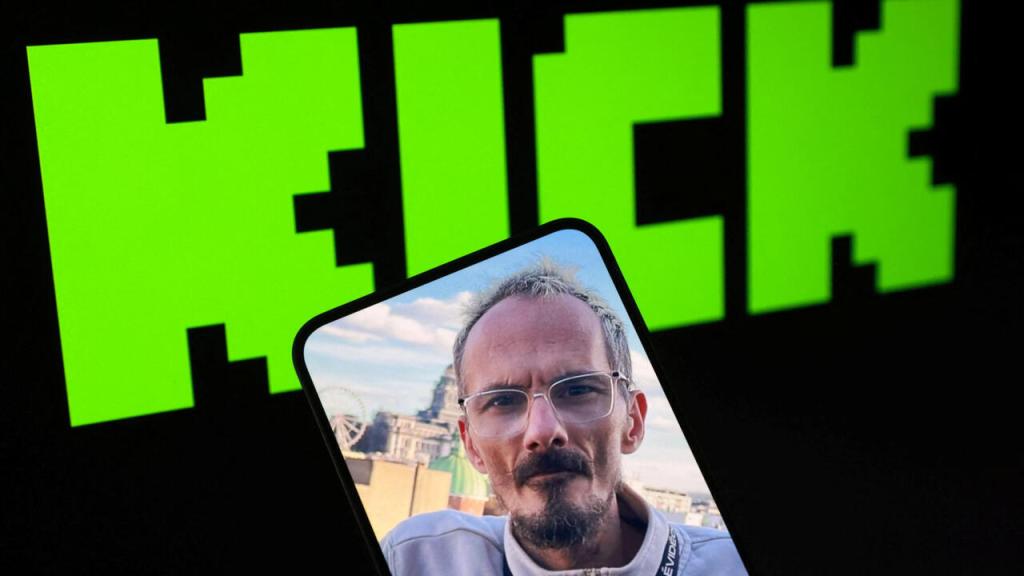
On August 18, 2025, the streaming world was rocked by the death of Raphaël Graven, known online as Jean Pormanove or “JP,” during a live broadcast on the Kick platform. The 46-year-old French streamer, a former military member with a following of over 550,000 across platforms, passed away in his sleep after what has been described as “ten days and nights of torture.” His death has sparked outrage, grief, and urgent questions about the role of streaming platforms in preventing abuse. As the details of Pormanove’s ordeal emerge, the tragedy underscores a broader failure of digital platforms to protect vulnerable creators from exploitation and harm.
Chronology of a Preventable Tragedy
Jean Pormanove’s journey on Kick began with gaming content in 2020, earning him a significant following for his comedic and gaming streams, including titles like FIFA 22 and Fortnite. Over time, his content shifted to “humiliation streams” alongside co-streamers “Naruto” (Owen Cenazandotti) and “Safine” (Safine Hamadi). These broadcasts featured extreme challenges and physical dares, drawing massive audiences and substantial donations.
In December 2024, Mediapart published an investigation exposing the “business of online mistreatment” on Kick, detailing how Pormanove and another streamer, Coudoux, a disabled individual under guardianship, were subjected to humiliations under the influence of Naruto and Safine. The report prompted an inquiry by the Nice judicial police for “violence against vulnerable persons” and “dissemination of images related to offenses against personal integrity.” In January 2025, Naruto and Safine were briefly detained but released, claiming the acts were staged for entertainment.
The League of Human Rights (LDH) reported the issue to Arcom in February 2025, citing “an attack on human dignity,” but received no response. Despite these warnings, no significant action was taken by Kick, Arcom, or the government. Clara Chappaz, France’s Minister for Digital Affairs and AI, was contacted by Mediapart but did not respond at the time.
On August 18, 2025, Pormanove died during a 10-day “subathon” stream, marked by extreme abuse. Only after his death did Chappaz denounce the “absolute horror,” seize Arcom, file a Pharos report, and demand explanations from Kick. Kick banned the involved co-streamers and announced a review of its French content, but these measures came too late. For months, despite clear evidence of abuse, no authority or platform intervened effectively, allowing a preventable tragedy to unfold.
The Abuse Endured by Jean Pormanove
Jean Pormanove was subjected to a prolonged and horrific pattern of physical and psychological abuse, primarily by co-streamers Owen “Naruto” Cenazandotti and Safine Hamadi, spanning at least two years. The abuse, often broadcast live and incentivized by viewer donations, escalated over time, exploiting Pormanove’s vulnerabilities, including his reported mental and physical deficiencies and financial dependence. Below is a detailed list of the abuses, drawn from web reports and X posts, covering both the final 10-day subathon and earlier incidents:
- Physical Violence:
- Strangulation: Clips show Naruto and Safine choking Pormanove, sometimes competing to see who could throttle him the longest. One chilling video from days before his death depicted him being strangled on stream.
- Beatings and Assaults: Pormanove was routinely slapped, kicked, punched, and tackled to the ground. Videos show him being struck repeatedly under the laughter of his co-streamers and viewers.
- Paintball Attacks: He was shot at with paintball guns without protective gear, causing visible pain and distress, with clips showing him drenched in paint.
- Forced Ingestion of Substances: Reports indicate Pormanove was coerced into consuming toxic or unpleasant substances, such as oil or other liquids, during streams.
- Dousing with Liquids: He was frequently doused with water, paint, or other liquids, including an instance during the final subathon where a bucket of water was thrown over him to wake him.
- Object Throwing: Videos show co-streamers throwing objects, such as plastic water bottles, at Pormanove, even when he appeared unresponsive.
- Hair Shaving: His co-streamers shaved parts of his hair as a form of humiliation, with his mother berating him over the phone for allowing it.
- Chaining: X posts report Pormanove being tied to a chain, reminiscent of past trauma from his youth, adding to the cruelty of the act.
- Psychological Abuse and Manipulation:
- Humiliation and Mockery: Pormanove was the target of relentless jokes, insults, and degrading stunts, often portrayed as the “punching bag” of the group. Clips show him being spat on and mocked for his appearance or reactions.
- Financial and Emotional Control: Naruto and Safine reportedly convinced Pormanove that they were his only friends, pulling him out of poverty with a 6,000-euro monthly salary from streaming. They used this to justify ongoing abuse, claiming it was necessary for his success and future goals, like finding a wife or having a child. This rhetoric trapped him in a cycle of dependency.
- Gaslighting and Coercion: In one stream, Naruto pressured Pormanove to state on camera that any potential death would be due to his own health issues, not their actions, despite Pormanove’s initial refusal. This was an attempt to deflect blame for the abuse.
- Public Exploitation: Kick’s French X account used images of Pormanove after humiliations (e.g., drenched in black paint) to promote merchandise, normalizing and profiting from his suffering.
- Sleep Deprivation and Endurance Challenges:
- Prolonged Subathons: The final 298-hour subathon (nearly 12 days) involved sleep deprivation, with Pormanove woken by loud noises like motorbike revving or leafblowers. This exacerbated his pre-existing cardiovascular issues.
- Relentless Pressure: The marathon format, driven by viewer donations (earning €36,000 during the final stream), pressured Pormanove to endure extreme conditions to maintain viewership and income.
- Exploitation of Vulnerabilities:
- Health Issues: Pormanove suffered from cardiovascular problems and required medication, which was known to his co-streamers. The physical and mental strain of the streams likely worsened his condition.
- Mental and Physical Deficiencies: X posts suggest Pormanove had mental and physical vulnerabilities, which were exploited by Naruto and Safine to keep him compliant.
- Isolation and Dependency: Living alone at his mother’s house before streaming, Pormanove was drawn into a toxic dynamic where Naruto and Safine positioned themselves as his “saviors,” isolating him from other support systems.
- Viewer-Enabled Abuse:
- Donation-Driven Cruelty: Viewers donated to request specific abusive acts, turning Pormanove’s suffering into a monetized spectacle. This included messages urging co-streamers to continue when he appeared unresponsive.
- Community Complicity: The audience’s applause and engagement, described as a “macabre spectacle,” normalized the abuse, with some fans supporting the tormentors.
- Expressions of Distress: Days before his death, Pormanove messaged his mother, stating, “Stuck for a bit in his [Naruto’s] death game. It’s going too far. I feel like I’m kidnapped with their shitty concept. I’m fed up, I want to get out of here, the other guy won’t let me.” This plea for help went unheeded, underscoring his sense of entrapment.
These abuses, documented in over 1,700 clips spanning hours, occurred almost daily since at least 2023, escalating in intensity and enabled by Kick’s inaction and viewer participation.
Shocking Justice: The Unbelievable Outcome of Jean Pormanove’s Tragedy
- An autopsy conducted on August 21, 2025, revealed that Jean Pormanove’s death was not due to trauma or third-party intervention, with prosecutors citing medical or toxicological causes, likely linked to his pre-existing cardiovascular and thyroid issues.
- Former Prime Minister Gabriel Attal proposed measures on August 21, including screen addiction tests for youth, a social media ban before age 15, a digital curfew for teens, and a tax on platforms to fund mental health research.
- Pormanove’s abusers are free and not subject to investigation.
- Kick unbanned the channel and deleted all clips proving the abuse.
It’s a grim joke: authorities and platforms feign concern, but the apathy that let this tragedy unfold remains unchanged. Nobody truly cares.
A Moderator’s Perspective
As a professional moderator (gaming and streaming platforms), I confront online abuse—trolling, harassment, and worse. Yet, the scale and visibility of the abuse suffered by Jean Pormanove are deeply unsettling. His streams, watched by thousands, became a stage for relentless physical and psychological torment, often encouraged by viewer donations. As someone who understands the mechanisms of online cruelty, I’m shaken by how this was allowed to persist for months, if not years, despite warnings. This wasn’t just a failure of moderation; it was a failure of humanity, enabled by a platform that profited from the spectacle. The knowledge that Pormanove felt “held hostage” by this streaming concept, as he confided to his mother, adds a layer of heartbreak to an already horrific story. Pormanove’s death is a devastating example of what happens when harmful behavior is allowed to fester unchecked, turning entertainment into exploitation.
The Role of Moderation—or Lack Thereof—at Kick
Kick, an Australian-based streaming platform launched as a competitor to Twitch, is known for its lax moderation policies, which have drawn both creators seeking freedom and criticism for enabling harmful content. Unlike Twitch, which has faced scrutiny but implemented stricter guidelines, Kick’s permissive approach has been a selling point for some streamers. However, this leniency has a dark side. The platform’s community guidelines prohibit “content representing or inciting violence,” yet enforcement appears inconsistent. A Mediapart investigation in December 2024 revealed that Kick’s moderation was so minimal that it allowed streams featuring violence and humiliation to thrive, with little to no intervention.
Statistics on Kick’s moderation are scarce, as the platform does not publicly disclose detailed data on its content moderation team or processes. However, reports indicate that Kick lacked a legal representative in the European Union until recently, complicating regulatory oversight. This absence hindered the French media regulator, Arcom, from taking swift action. In contrast, platforms like Twitch employ thousands of moderators and use automated systems to flag content, though even they struggle with scale. Kick’s failure to act on reported abuses, including those against Pormanove, suggests a systemic issue: a business model prioritizing engagement and revenue over safety. The platform’s response—banning co-streamers only after Pormanove’s death—feels like too little, too late.
Rest in peace, Raphaël. Peace, finally…

 MARIE-SOPHIE GERMAIN